

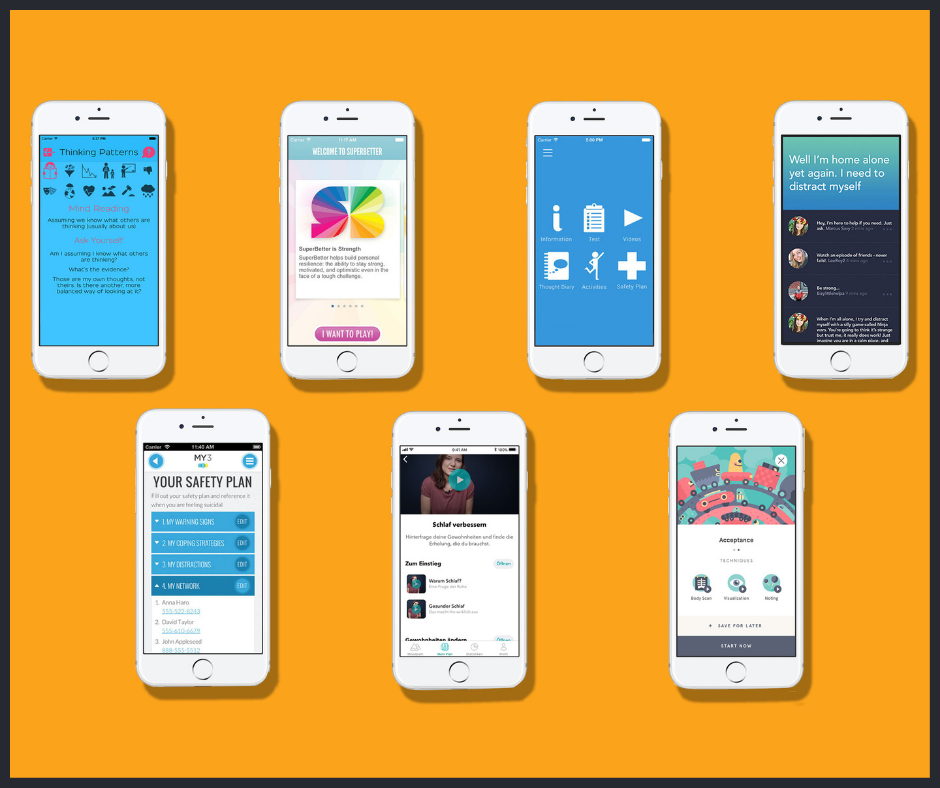
Self-care is an integral part of maintaining mental health. The ability to accept responsibility for your actions, acceptance of who you are and taking proper care of your body and mind are important steps on the journey to personal growth. This is why all professionals recommend therapy.
-Many do not have the funds or the time to attend therapy, particularly when social distancing is commonplace. If you attend therapy, make sure you take the time to take care of your psychological health needs more than just a few sessions.
Mental health means learning to manage the stressors that come with daily living by accepting your emotions and being mindful, living in the present moment, and taking care of yourself.
These are all skills that you can develop and practice at your home. The companies that create software for development have noticed the increasing interest in self-care and mental health over the past couple of years.
As a result, we have seen hundreds of apps that offer techniques, tools, tips or advice to help you improve your well-being. Indeed, these apps are all over the place, but what is their impact on our perception of mental health?
- Meditate whenever you want: People think that you need to sit down in a silent room in the lotus position with your eyes closed for hours to meditate. But apps like Calm show us otherwise. You don’t need incense and chimes, just a moment to relax and, if you are a beginner, a guide to follow. Walking meditation or open-eye meditation is a very simple and fun alternative to the traditional style. Keep track of your schedule as well as your mood before and after each exercise with the help of an app. Meditation helps your focus as well as your overall psychological wellbeing. It’s a perfect way to calm yourself during a crisis.
- Keep track of your bad behavior: One of the most effective ways to deal with unhealthy habits and addictions is cognitive-behavior therapy. One of its fundamental principles is to be conscious of your desires and maintain a record of your habits. Habits are usually subconscious, and we perform things without thinking about them. Control them by taking a few minutes to launch an app and note what you’re doing (like calories counters). If you make the conscious decision to write, you’re helping your brain to think about the habits you have developed.
- Create Good Habits: Similar to how bad recording habits can help you get control over them, keeping track of your good habits is an opportunity to strengthen the good habits. You can track your habits using an app and schedule reminders for yourself till it’s second nature. Some apps will also allow you to monitor your mood before and after your activities (like exercise) to observe how your new habits change your life.
- Keep Your Support System Close to You: The presence of someone who is there to support you and is close is essential in cases of anxiety, depression, panic attacks, depression, and social anxiety. It is reassuring to know that we find our support system just only a tap away is positive. Natak is an excellent example of an app that can consider the emotions that a panic attack can feel like. This app is essentially a large red button you press. It will relay information about your current location and location to five contacts and messages soliciting assistance. It is ideal for emergencies or when the fear is so intense that you cannot think.
- Learn More About Your Emotions: We all cannot understand our emotions. It is difficult to explain emotions, and most of us weren’t taught to process emotions correctly. Apps such as What’s Up can help you identify the emotional realm and comprehend it more clearly. The more you understand it, the easier it will be to manage it.
- Control Thoughts that cause invasiveness: Invasive thoughts are automatic thoughts that appear in your head and are usually harmful. The majority of these thoughts are not rational when you realize them. They’re easy to manage. Many apps offer short guides to challenge and identify these ideas, and also an idea diary so that you can track the time they occur and what triggers them to occur.
- Professional Assistance has never simpler to access: While research is continuing to be conducted about the efficacy of online therapy, more many therapists are now open to the idea of online sessions. Facebook, Skype, Google hangouts and many other platforms are ideal for those with very little time or who cannot consistently make their appointments.
- Connect With Other People Similar To Yours: Mental illness can make you feel that you’re on your own. Even the people you consider your friends would like to help, but it isn’t easy because they don’t understand have any idea of what you’re experiencing. Through social networks, support groups allow you to swap tips and words of affection with people experiencing the same thing.
- Gamifying your mental health: The feedback circuits in games are well-constructed. In addition, games encourage players to perform certain actions by activating the reward circuit within the brain’s circuit. Many apps have taken the concept of badges, scores, trophies, achievements, and scores from games and put them into physical fitness exercises. The result is a similar experience to games that’s aiding your well-being.
- Professionals in mental health are creating applications for their clients: We’re witnessing more and more professionals using software development companies to develop custom apps for their work. For instance, NogaTech is the brainchild of Dr Ross Harris and Anthony Berrick and is based on the methods and exercises used in psychotherapy.
While I hope you discover apps that could aid you, you must remember that no app can replace an experienced professional. If you are feeling stressed, depressed or stressed, seek assistance.


