

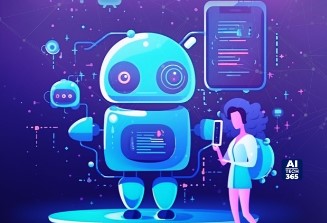
Have you ever interacted with Alexa or ChatGPT? If so, you’ve experienced conversational AI chatbots. But what makes them so popular, and why should businesses adopt them?
That’s precisely what we’ll delve into in this article. With the conversational AI chatbot market poised to grow by 23.6%, these AI-powered chatbots are emerging as a revolutionary communication tool.
So, what exactly constitutes a conversational AI chatbot? It’s the fusion of artificial intelligence, natural language processing (NLP), and machine learning (ML) technologies. This integration aims to elevate chatbots’ intelligence, enabling them to engage in more human-like interactions. Conversational AI experts continuously learn, analyzing patterns and offering tailored suggestions based on user inputs and accumulated conversations.
Studies indicate that leveraging conversational AI chatbots can increase agent productivity by 94% and resolve customer issues 92% faster. Additionally, 34% of customers report feeling comfortable interacting with AI-powered customer service chatbots. Chatbot-driven conversational interfaces are revolutionizing user-technology interactions, fostering natural and engaging conversations. This results in heightened productivity, enhanced sales, and superior customer experiences.
But what distinguishes a chatbot from conversational AI? While both serve similar purposes, chatbots are automated messaging systems that engage users via voice and text, whereas conversational AI employs more sophisticated technology to simulate human-like conversations.
Over 91% of chatbot interactions successfully resolve issues from start to finish. Consequently, businesses are increasingly embracing conversational AI to offer human-like customer experiences. With advancements in technology, chatbot integration is poised to provide humans with a competitive edge.
Why are businesses turning to AI chatbots? Several factors drive this trend:
1. Enhanced customer service: Chatbots provide 24/7 support, promptly addressing queries and offering seamless assistance, thereby enhancing customer satisfaction.
2. Improved efficiency and productivity: By automating repetitive tasks, chatbots free up human agents to focus on more complex issues, boosting operational efficiency.
3. Cost savings: Chatbots contribute to significant cost savings by handling high volumes of inquiries without the need for additional staff.
4. Increased sales and revenue: Chatbots engage customers, offer personalized recommendations, and guide sales processes, resulting in boosted sales and revenue.
5. Personalized interactions: AI chatbots understand natural language and context, offering tailored experiences that improve customer satisfaction and loyalty.
As businesses transition operations online through digital transformation, chatbots become indispensable tools for providing assistance, recommendations, and process automation across digital channels, ensuring seamless user experiences.
Gemini (by Google):
Gemini boasts advanced natural language processing (NLP) capabilities, seamlessly integrating with Google services to provide comprehensive and informative responses.
ChatGPT (by OpenAI):
ChatGPT excels in generating human-like text across various formats, making it a versatile tool for content creation and automation.
Amazon Alexa:
Alexa, a household name, offers contextual understanding and seamless integration with smart home devices, providing natural and interactive conversations.
IBM Watson Assistant:
Watson Assistant elevates customer and employee experiences with its intuitive interface, seamless integration, and personalized responses.
HubSpot Chatbot:
HubSpot Chatbot simplifies lead qualification and customer support processes, offering real-time insights and automation features.
ManyChat:
ManyChat specializes in creating chatbots for Facebook Messenger, assisting with customer service, marketing, and sales processes.
Zendesk Chatbot:
Zendesk Chatbot integrates seamlessly with Zendesk’s customer support suite, streamlining communication channels and automating ticket management processes.
In summary, conversational AI chatbots are reshaping how businesses engage with customers, offering personalized support and seamless interactions. These chatbots automate tasks, mimic human-like responses, and integrate with various systems to enhance customer service, ultimately improving the overall user experience.


