How to Equip Your Child for the 21st Century
by Patricia Ong, Founder and Principal of I.Artsy Drama Academy, Educational Psychologist
Many jobs that are valuable today will likely be automated in the near future and only people with skills that are irreplaceable by automation will thrive in a future economy that is shaped by disruptive technologies.
In fact, a report by The World Economic Forum suggested that 2 out of 3 kids in primary school will grow up to do work that does not even exist today.
Global trends clearly indicate that any job which is not process-based or rule-based will allow a human being the opportunity to excel in it while process-based and rule-based jobs will be better performed by smart machines and robots.
In order to prepare the future human capital to excel in this future of work, one must be equipped with the most relevant 21st Century skills now.
What are 21st Century Skills ?
To excel in the future, your child must be taught 21st-century skills which will train him/her in the art and science of complex problem-solving.
Problem-solving is the ability to use one’s creativity, critical thinking, collaboration, and communication skills to find the most optimised solution to a problem at hand.
So how do you teach a child problem-solving skills ?
Well, it depends on their age. As cognitive abilities and the size of the child’s challenges grow/evolve over time, so should your approach to teaching problem-solving skills:
3 – 5 years old : Use emotional coaching and problem solving with creative play
5 – 8 years old : Teach problem-solving steps
8 – 12 years old : Solve problem with prompts
Above 12 years old : Apply the SODAS methods
(ie. Situation, Options, Disadvantages, Advantages and Solutions)
https://chris24ong.wixsite.com/iartsydramaacademy offers practical activity kits and useful steps in teaching your children problem solving skills.
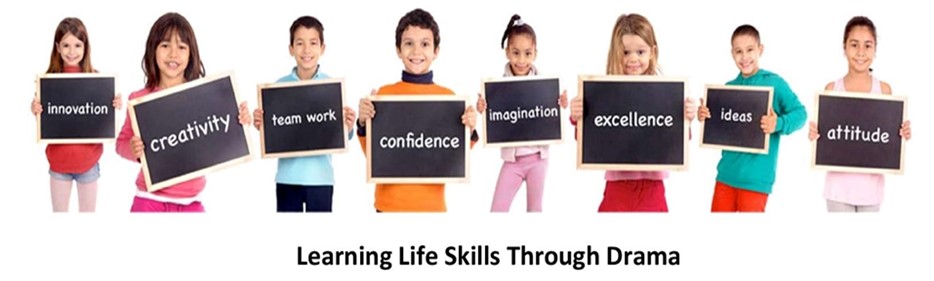
You can consider enrolling your children in a drama class which is an effective platform to help them develop life skills.
The process of story-making in drama urges spontaneity and encourages your child to apply creativity in devising ideas and solutions for a story. Your child will learn to work collaboratively with peers, in a diverse social milieu, towards a common goal.
Your children will also build confidence in communication by acquiring dramatic skills. They will discover effective ways to use their voice and body to express their thoughts and emotions.
Don’t Wait
The sooner you as a parent understands the importance of 21st-century skills, the better will be the educational outcomes of a child. So take action now.
Keep learning and stay relevant.