

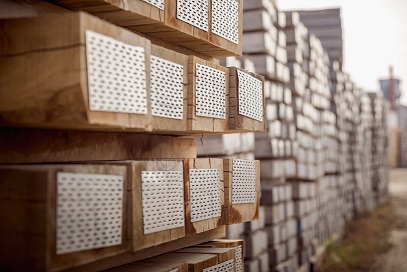
As a natural material, wood is prone to degradation over time, especially when exposed to moisture, extreme temperatures, and pests. Whether used in railways, landscaping, or construction, railway sleepers must be regularly inspected to detect decay before it compromises their integrity.
Understanding the causes of decay in wooden sleepers
Before identifying signs of decay, it’s essential to understand the primary factors contributing to deterioration. Several environmental and physical conditions accelerate the breakdown of wooden sleepers, including:
- Moisture Exposure – Continuous exposure to rain, humidity, or groundwater leads to rotting and fungal growth.
- Temperature Fluctuations – Expansion and contraction due to heat and cold can cause cracks and splitting.
- Insect Infestation – Termites, beetles, and other wood-boring insects weaken the sleeper from the inside.
- Mechanical Stress – The constant pressure from trains or heavy structures can accelerate wear and tear.
Recognizing these causes helps in proactive maintenance and timely replacement of sleepers before they become a safety risk.
Visual signs of decay
One of the easiest ways to identify decaying wooden sleepers is through visual inspection. Signs of wear and deterioration can often be spotted without special tools.
Common visual indicators of decay:
- Discoloration – If the wood appears darker, patchy, or has unusual stains, it may indicate fungal growth.
- Cracking and Splitting – Deep cracks running through the sleeper suggest internal weakening.
- Mold or Mildew Presence – White, green, or black mold growth on the surface signals excessive moisture retention.
- Surface Softness – If pressing a sleeper with a tool leaves an indentation, it is likely rotten inside.
Regularly examining sleepers for these warning signs allows for early intervention before replacement becomes urgent.
Structural weakness and deformation
Decay in wooden sleepers often leads to structural instability. Over time, weakened sleepers can no longer support the weight they were designed to bear, leading to track misalignment and unsafe conditions.
How to check for structural decay?
- Test for Loose Fastenings – If bolts or nails no longer hold securely, the wood may be compromised.
- Look for Warping or Bending – Sleepers that have changed shape indicate internal weakening.
- Check for Shifting Sleepers – If they move under weight, it’s a sign they have lost their original strength.
Detecting internal decay
While visual inspections can easily identify external damage, internal decay often remains hidden until it reaches an advanced stage. This unseen deterioration can compromise the structural integrity of wooden sleepers, leading to costly replacements and potential safety hazards. To avoid such issues, it is crucial to detect internal decay early using a few simple but effective methods.
One of the easiest ways to check for hidden deterioration is the Tapping Test. By striking the sleeper with a hammer or metal rod, you can listen for variations in sound. A solid sleeper will produce a firm, dense sound, while a hollow or dull sound may indicate internal rotting. This method provides a quick, non-invasive way to assess the sleeper’s condition.
Another reliable method is the Drilling Test. By drilling a small hole into the sleeper, you can examine the consistency of the wood inside. If the drilled material is soft, crumbly, or darker than the surrounding wood, it may indicate decay. This technique allows for a direct assessment of internal damage, though it should be performed sparingly to minimize unnecessary weakening of the sleeper.
A Weight Check can also help identify decayed sleepers. Over time, as wood deteriorates and loses its solid structure, it becomes significantly lighter. By comparing the weight of sleepers with known healthy ones, you can detect those that have been weakened by internal decay. This method is particularly useful when handling individual sleepers before installation or replacement.
Preventive measures to reduce decay
Wooden sleepers play a crucial role in railway infrastructure, providing stability and support to the tracks. However, like all natural materials, wood is subject to gradual deterioration due to environmental exposure, moisture, and pest activity. While aging is inevitable, proactive maintenance strategies can significantly extend the lifespan of wooden sleepers and preserve their structural integrity.
Regular inspections are essential for early problem detection. Routine checks allow maintenance teams to identify cracks, rot, insect infestations, or any signs of wear before they become severe. Addressing these issues promptly prevents small defects from developing into major failures that could compromise the track’s stability and safety.

