Older properties often carry the charm and character that modern homes sometimes lack, but they can also harbor hidden dangers—most notably, lead paint. Lead hazards remain a serious concern in buildings constructed before 1978 when lead-based paints were commonly used. Effective lead paint removal Phoenix AZ and lead removal strategies are essential to protect the health of occupants and preserve property value.
If you own or manage an older property, understanding how to safely handle lead abatement is crucial. In this guide, we explore best practices, safety tips, and the role of industrial coatings in lead abatement projects to help you navigate this challenging task responsibly.
Why Is Lead Abatement Important in Older Properties?
Lead is a toxic metal linked to serious health problems, especially in children and pregnant women. Exposure often occurs through lead dust created by deteriorating paint or during renovations.
• Health risks: Lead poisoning can cause developmental delays, neurological damage, and other chronic conditions.
• Legal compliance: Federal and state laws mandate safe lead removal practices to protect public health.
• Property preservation: Proper abatement prevents further deterioration and reduces liability.
Given these stakes, safe and thorough lead paint removal is non-negotiable.
What Makes Lead Abatement in Older Properties Challenging?
Older buildings present unique difficulties when handling lead removal:
• Multiple layers of lead paint may exist.
• Lead dust can accumulate in hidden spaces.
• Structural fragility may complicate removal processes.
• Presence of historic finishes that owners want to preserve.
Because of these factors, it’s important to approach lead abatement Scottsdale AZ with caution and expertise.
Step-by-Step Guide: Safely Handling Lead Paint Removal in Older Homes
1. Conduct a Professional Lead Inspection
How do you know where the lead is?
Before starting any lead removal or abatement work, a certified lead inspector should assess the property.
• Use X-ray fluorescence (XRF) analyzers for precise detection.
• Collect paint chip samples for lab analysis.
• Identify all lead hazards, including paint, dust, and soil.
This inspection forms the basis for a targeted and safe abatement plan.
2. Develop a Detailed Lead Abatement Plan
Every property is different. The abatement plan should specify:
• Which surfaces require removal or encapsulation.
• Appropriate techniques (e.g., chemical stripping, wet sanding).
• Use of protective barriers and containment methods.
• Waste disposal procedures.
Planning helps prevent mistakes that can worsen lead contamination.
3. Choose Safe and Effective Lead Removal Methods
Unsafe removal methods can generate toxic lead dust or cause irreversible damage.
Best practices include:
• Wet methods: Wet sanding or scraping minimizes dust.
• Chemical strippers: Special formulations dissolve lead paint safely.
• Encapsulation: Applying specialized industrial coatings that seal lead paint instead of removing it.
Avoid dry sanding, open flame burning, or abrasive blasting unless done by trained professionals using proper containment.
4. Use Industrial Coatings for Long-Term Protection
How do industrial coatings fit into lead abatement?
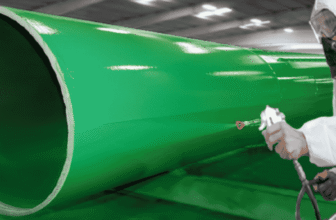
Once lead paint removal is complete, applying high-quality industrial coatings can:
• Seal any residual lead paint safely.
• Protect surfaces from future damage.
• Provide a durable, attractive finish that meets safety standards.
These coatings are designed to withstand wear and resist moisture, helping maintain lead-safe environments over time.
5. Ensure Proper Containment and Personal Protection
Lead dust can easily spread beyond the work area, posing risks to occupants and workers.
Containment tips:
• Seal doors, windows, and vents with plastic sheeting.
• Use negative air pressure machines with HEPA filters.
• Remove or cover furniture and belongings in the work zone.
Personal protection equipment (PPE):
• NIOSH-approved respirators.
• Disposable coveralls and gloves.
• Eye protection.
Proper containment and PPE reduce exposure risks dramatically.
6. Dispose of Lead Waste Responsibly
Lead-contaminated debris is hazardous and must be handled according to strict guidelines.
• Double-bag waste in heavy-duty plastic.
• Label containers clearly.
• Use licensed hazardous waste disposal services.
Never discard lead waste with regular trash to prevent environmental contamination.
7. Conduct Thorough Cleanup and Clearance Testing
After lead paint removal, rigorous cleaning is vital:
• HEPA vacuum all surfaces.
• Wet wipe floors, windowsills, and walls.
• Repeat cleaning until no visible dust remains.
Finally, clearance testing by a certified professional confirms the area meets lead-safe standards and is safe for occupancy.
Tips for Homeowners Managing Lead Abatement
• Hire certified lead abatement contractors to ensure compliance and safety.
• Communicate clearly with residents about project timelines and precautions.
• Keep children and pets away during and after lead removal Phoenix AZ work.
• Maintain painted surfaces regularly to prevent deterioration.
• Consider encapsulation with industrial coatings as a cost-effective alternative when complete removal isn’t feasible.
Common Myths About Lead Paint Removal
Myth 1: Lead paint removal is only necessary if paint is peeling.
Fact: Even intact lead paint can release harmful dust during renovations or normal wear.
Myth 2: DIY removal is safe with basic precautions.
Fact: Without specialized training and equipment, DIY attempts risk serious lead exposure.
Myth 3: Encapsulation is unreliable.
Fact: When properly applied using certified industrial coatings, encapsulation is an effective and safe method.
Conclusion
Handling lead paint removal and lead removal in older properties demands a well-informed, safety-first approach. From professional inspection and detailed planning to choosing the right removal techniques and utilizing advanced industrial coatings, every step matters to minimize health risks and comply with regulations.
By avoiding shortcuts and hiring experienced contractors, you safeguard your family or tenants, preserve your historic property’s value, and contribute to a healthier living environment. If you suspect your older property contains lead hazards, don’t delay—start the abatement process promptly and safely to enjoy peace of mind for years to come.
If you need guidance on selecting certified lead removal experts or want more tips on maintaining lead-safe properties, feel free to reach out!