

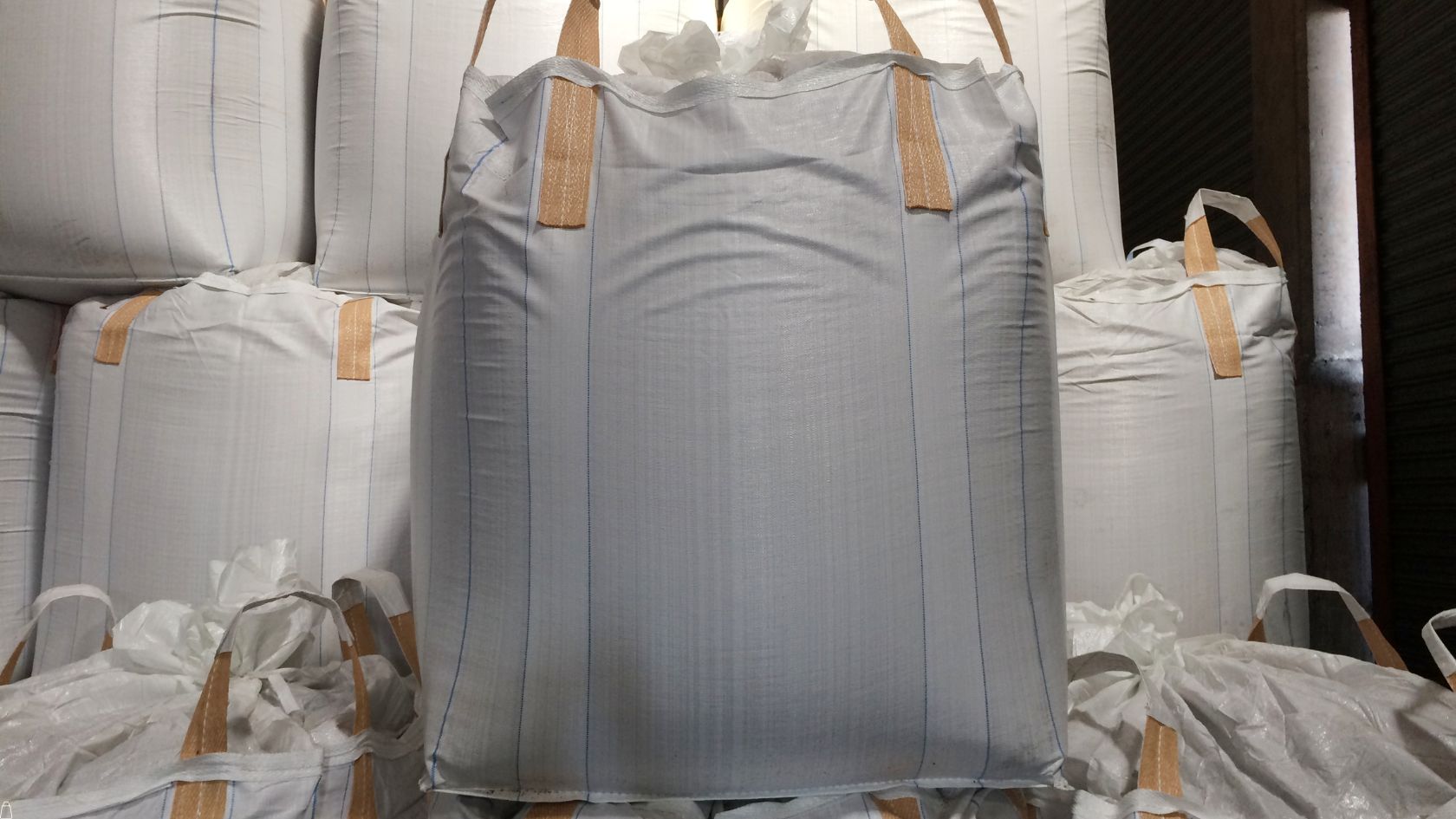
For over half a century, Flexible Intermediate Bulk Containers (FIBCs), also known as jumbo bags or bulk sacks, have revolutionized the way we transport and store dry, flowable goods. Their versatility, affordability, and ease of use have made them a staple in countless industries worldwide. If you’re looking for a reliable and efficient way to handle large volumes of materials, FIBCs might be the perfect solution. India is a major player in the global FIBC market, accounting for 20% of global FIBC production according to a 2023 industry report. Gujarat is a key hub for their production, with numerous fibc bags manufacturers in Gujarat offering a wide range of options to cater to diverse industrial requirements. This comprehensive guide will equip you with everything you need to know about FIBCs, from their construction and functionalities to choosing the right ones for your specific needs.
Gujarat: A Hub for High-Quality FIBC Production
India is a major player in the global FIBC market, accounting for 20% of global FIBC production according to a 2023 industry report. Gujarat is a key hub for their production. Numerous FIBC bag manufacturers in Gujarat offer a wide range of options to cater to diverse industrial requirements. Here, we’ll delve deeper into the world of FIBCs, empowering you to make informed decisions when partnering with a Gujarat-based FIBC manufacturer.
Understanding FIBCs: Construction and Design
FIBCs are essentially large, woven bags typically constructed from polypropylene, a strong and lightweight plastic material. Their design incorporates several key elements:
Fabric:
The core of the FIBC is the woven polypropylene fabric. The weight and weave pattern of the fabric determines the bag’s strength and suitability for specific loads.
Lifting Loops:
These are strong straps, usually made from the same polypropylene material or high-tensile polyester, stitched into the top corners of the bag for safe lifting and handling. Loop configurations can vary depending on the intended use (single-loop, cross-corner, or four-loop).
Skirting:
This optional feature is a circular or rectangular piece of fabric sewn around the bottom of the bag for added stability during filling, discharge, or stacking.
Liners:
For products requiring extra protection from moisture, contamination, or static discharge, FIBCs can be equipped with liners made from polyethene film or other materials.
The Advantages of Using FIBCs
FIBCs offer a multitude of benefits compared to traditional bulk packaging methods like drums or rigid containers. Here are some key advantages to consider:
Cost-Effectiveness:
FIBCs are significantly cheaper to purchase, transport, and store compared to their rigid counterparts. Their lightweight nature translates to lower transportation costs.
Versatility:
FIBCs can be customized to handle a wide variety of materials, from food-grade products like grains and flour to construction materials like sand and cement. They come in various sizes and configurations to suit specific needs.
Ease of Use:
FIBCs are simple to fill, discharge, and transport. Their flexible design allows for efficient stacking and storage, maximizing warehouse space utilization.
Durability:
High-quality FIBCs are remarkably strong and resistant to punctures, tears, and harsh weather conditions.
Sustainability:
FIBCs are recyclable and can be used multiple times depending on the application.
Famous FIBC Bag Quote:
“FIBCs: The unsung heroes of the bulk material handling industry, offering strength, versatility, and cost-effectiveness in a single package.”
Choosing the Right FIBC for Your Needs
Selecting the appropriate FIBC for your application requires careful consideration of several factors:
Product:
The type of material you’ll be storing or transporting will influence the bag’s size, strength, and liner requirements.
Weight Capacity:
Choose an FIBC with a safe working load (SWL) exceeding the weight of your product. It’s wise to factor in a safety margin to account for potential weight fluctuations.
Filling and Discharge Methods:
Consider how you’ll be filling and emptying the FIBC. Options include open-top, spout-top, and bottom discharge configurations.
Safety Features:
FIBCs can be equipped with features like static discharge capabilities or food-grade certifications depending on the application.
Partnering with a Reputable FIBC Manufacturer
When sourcing FIBCs, it’s crucial to choose a reliable manufacturer with a proven track record of quality and customer service. Look for a manufacturer who offers:
A Wide Range of FIBC Options:
They should have a diverse selection of bags in different sizes, strengths, and configurations to meet your specific needs.
Customization Capabilities:
The ability to customize FIBCs with features like liners, specific lifting loops, or printing can significantly enhance their effectiveness.
Commitment to Quality:
The manufacturer should prioritize rigorous quality control procedures to ensure the bags meet all safety and performance standards.
Competitive Pricing:
Obtain quotes from several manufacturers to secure the best value for your investment.


