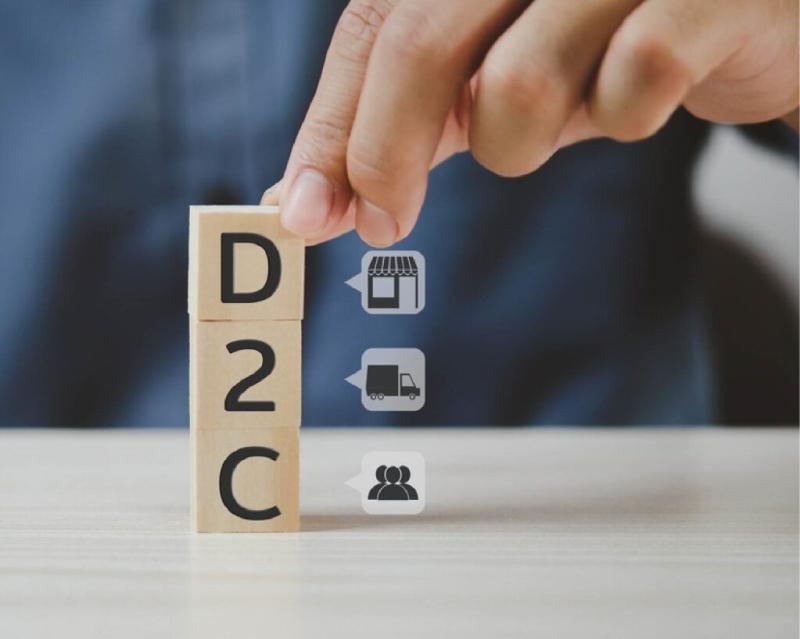
In today’s dynamic business landscape, Direct-to-Consumer (D2C) marketing has emerged as a powerful approach for brands seeking to build stronger connections with their customers. Unlike traditional retail models, D2C marketing enables companies to sell products directly to consumers, bypassing intermediaries and creating a more personalized shopping experience. Gainscale explores the intricacies of D2C marketing and its advantages for contemporary businesses.
What is D2C Marketing?
D2C marketing refers to a business model where companies sell their products directly to consumers through online channels. This approach allows brands to control the entire customer journey, from product development to sales and post-purchase support. By leveraging digital platforms, businesses can reach their target audience more effectively and create a seamless buying experience.
Key Strategies in D2C Marketing
- Building a Strong Online Presence:
- A robust website and active social media profiles are crucial for a successful D2C strategy. These platforms serve as the primary touchpoints for consumers, providing information, support, and direct purchase options.
- Personalized Marketing:
- Personalization is at the heart of D2C marketing. Utilizing data analytics, businesses can tailor their messages and offers to individual customers, enhancing engagement and loyalty.
- Content Marketing:
- Creating valuable content that resonates with the target audience is essential. This includes blog posts, videos, and social media content that educates, entertains, and informs customers about the brand and its products.
- Customer Feedback and Reviews:
- Direct feedback from customers is invaluable for continuous improvement. Encouraging reviews and actively responding to customer inquiries helps build trust and demonstrates a commitment to customer satisfaction.
- Efficient Supply Chain Management:
- Managing logistics effectively ensures that products are delivered promptly and in excellent condition. This enhances the overall customer experience and encourages repeat purchases.
Benefits of D2C Marketing
Enhanced Customer Relationships:
- D2C marketing fosters direct interactions with customers, allowing brands to build stronger, more meaningful relationships. This direct line of communication helps businesses understand customer needs and preferences better.
Greater Control Over Brand Image:
- By bypassing third-party retailers, brands maintain complete control over how their products are presented and marketed. This ensures a consistent brand image and messaging across all channels.
Higher Profit Margins:
- Eliminating intermediaries allows businesses to retain a larger share of the profits. This can be reinvested into marketing, product development, and other areas to further enhance the brand.
Data-Driven Decision Making:
- Access to customer data enables businesses to make informed decisions about product offerings, marketing strategies, and overall business operations. This data-driven approach leads to more effective and efficient business practices.
Agility and Flexibility:
- D2C brands can quickly adapt to changing market conditions and consumer preferences. This agility allows for faster product launches, quicker responses to market trends, and more personalized customer experiences.
Challenges and Considerations
While D2C marketing offers numerous benefits, it also presents challenges that businesses must navigate:
Increased Competition:
- The barrier to entry for D2C brands is relatively low, leading to increased competition. Brands must differentiate themselves through unique value propositions and exceptional customer experiences.
Logistics and Fulfillment:
- Managing logistics and ensuring timely delivery can be complex and costly. Efficient supply chain management is crucial to maintain customer satisfaction.
Customer Acquisition Costs:
- Attracting customers directly can be expensive. Brands must invest in effective marketing strategies and continuously optimize their campaigns to reduce acquisition costs.
Conclusion
D2C marketing is reshaping the way businesses connect with consumers. By leveraging digital platforms, personalizing interactions, and maintaining control over the customer journey, brands can build stronger relationships and drive growth. Gainscale’s exploration of D2C marketing highlights the importance of this approach in the modern business landscape and underscores the need for strategic planning and execution to overcome its challenges. As the digital marketplace continues to evolve, D2C marketing will undoubtedly play a pivotal role in the success of forward-thinking brands.