

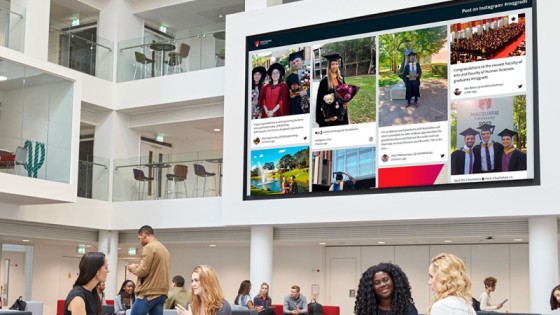
In the digital age, universities are constantly seeking innovative ways to enhance campus experiences for students, faculty, and visitors. One powerful tool that has gained prominence is digital signage software. These dynamic displays offer a multitude of opportunities to engage, inform, and connect with campus communities. By harnessing the capabilities of digital signage software, universities can transform traditional static communication methods into interactive, personalized, and immersive experiences. Here, we delve into critical ways to enrich your campus experience through the strategic implementation of digital signage software.
Interactive Campus Navigation:
Digital signage software can revolutionize campus navigation by providing interactive maps and directions. Integrating real-time data, such as event schedules, building locations, and transportation updates, enables users to easily navigate the campus environment. Interactive touchscreens or mobile applications can empower users to customize routes based on their preferences and accessibility needs, fostering a more inclusive and user-centric experience.
Dynamic Event Promotion:
Promoting campus events effectively is essential for fostering a vibrant campus community. Digital signage software offers dynamic capabilities to showcase upcoming events, lectures, performances, and club meetings. Through eye-catching graphics, videos, and countdown timers, digital displays capture attention and drive engagement. Integration with social media platforms allows for real-time updates and audience interaction, amplifying event reach and participation.
Emergency Communication Preparedness:
Ensuring campus safety and preparedness is paramount for universities. Digital signage software serves as a critical tool for emergency communication and alerts. With the ability to broadcast instant messages, evacuation routes, and safety protocols across campus displays, universities can swiftly communicate vital information during crisis situations. Integrating with emergency notification systems enhances responsiveness and enables coordinated efforts to ensure the well-being of the campus community.
Academic and Administrative Information:
Streamlining access to academic and administrative information is fundamental for student success. Digital signage software facilitates the dissemination of announcements, academic deadlines, campus policies, and administrative updates in real-time. By strategically placing displays in high-traffic areas such as libraries, student centers, and academic buildings, universities can effectively communicate essential information and reduce reliance on traditional print materials.
Engaging Multimedia Content:
Captivating content is key to capturing and retaining audience attention. Digital signage software empowers universities to create and display multimedia content that resonates with their diverse audience. Incorporating videos, animations, student showcases, and faculty highlights enriches the campus experience and fosters a sense of community pride. Interactive quizzes, polls, and surveys encourage active participation and feedback, fostering a culture of engagement and collaboration.
Data-Driven Insights and Analytics:
Leveraging data analytics is essential for optimizing the effectiveness of digital signage campaigns. Digital signage software provides valuable insights into audience engagement, content performance, and user behavior. By analyzing metrics such as dwell time, click-through rates, and demographic information, universities can refine content strategies, personalize messaging, and measure the impact of their digital signage initiatives. This data-driven approach enables continuous improvement and ensures relevance to evolving campus needs.
Sustainability and Cost Efficiency:
Embracing digital signage aligns with sustainability initiatives and reduces environmental impact by minimizing paper waste associated with traditional signage. Moreover, digital displays offer cost-efficient solutions for dynamic content management and distribution. By centralizing content creation and scheduling through cloud-based platforms, universities can optimize resource allocation, streamline workflows, and achieve long-term cost savings.
Community Engagement and Brand Identity:
Strengthening community ties and fostering a sense of belonging is integral to campus life. Digital signage software provides opportunities for showcasing student achievements, alumni success stories, and campus traditions, reinforcing a shared sense of pride and identity. By aligning digital signage content with the university’s brand values and messaging, universities can cultivate a cohesive campus culture and enhance their reputation both locally and globally.
Conclusion:
Incorporating digital signage software into campus environments offers a myriad of opportunities to enrich the overall campus experience. From interactive navigation and event promotion to emergency communication preparedness and data-driven insights, universities can leverage digital signage to enhance engagement, streamline information dissemination, and foster a vibrant and inclusive campus community. By embracing innovation and harnessing the power of digital signage software, universities can create dynamic and immersive experiences that inspire, inform, and connect their diverse stakeholders.


