

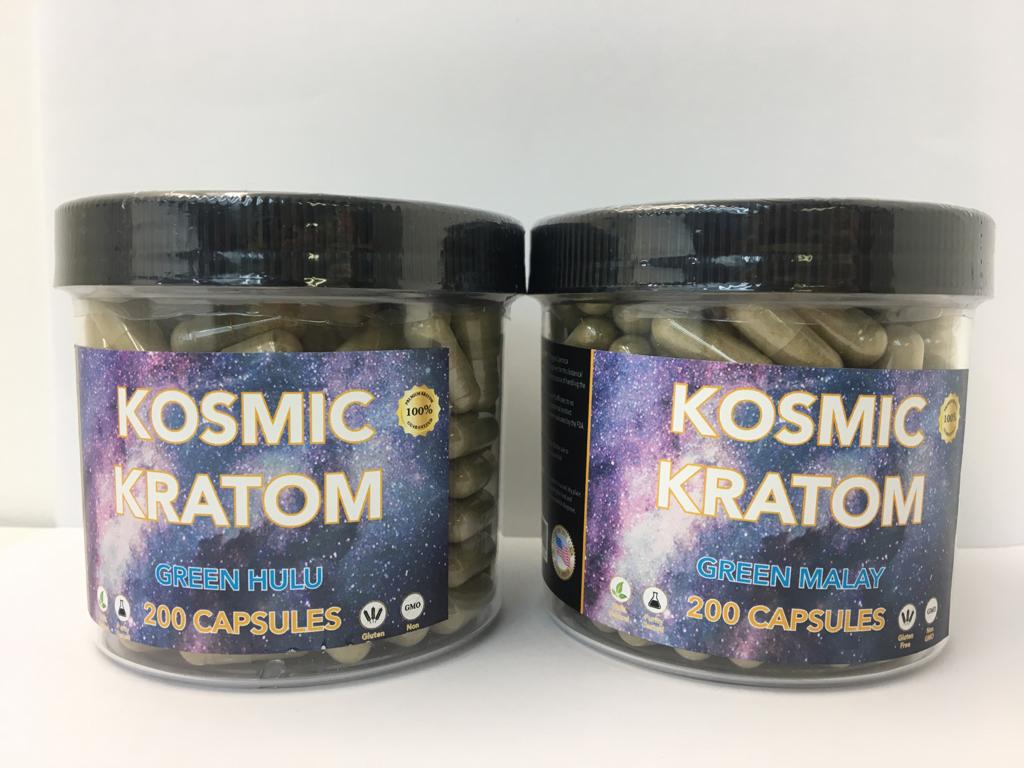
Kratom is primarily the name of a Southeast Asian tree which is part of the coffee family. It is cultivated in Malaysia, Indonesia, and Thailand, under the name mitragyna speciosa. The leaves of this unique tree are dried and made into tea, or they are encapsulated to be marketed as a supplement. It is interesting to know that similar to tobacco, Kratom leaves can also be smoked in a similar way.
You can find kratom leaves at different locations, be it vape shops and health-food stores. They are available as kratom leaves, capsules, and powder.
Kratom leaves are generally chewed or even consumed in the form of tea. Its presence as a recreational medication to boost mood and increase physical stamina is gaining popularity at the global level.
Benefits of Kratom Capsules
Kratom capsules are used as a treatment for cough, anxiety, depression, diarrhoea, diabetes, pain, high blood pressure, etc. It is even known to enhance sexual function in humans.
Side Effects of Kratom
With powerful chemicals present in kratom, it is suggested to seek medical advice before one tries to use it as a supplement. Here are certain side effects caused by kratom:
- Nausea
- Constipation
- Itching
- Dizziness
- Dry Mouth
- Hallucinations
- Liver Damage
Kratom Dosage
The amount of kratom to be consumed is decided on the basis of several vital factors, including the person’s age, health, and few more considerations. The benefits of kratom are dependent on dosage levels. Primarily, a low dose range is between 1-5 grammes whereas a moderate dose ranges from 5-15 grammes.
At present there is no concrete study that has identified the short as well as long-term consequences of kratom. The dose fluctuations on the human body can be severe due to the high strength of kratom. Therefore, it is advisable to consult your doctor before adding kratom capsules to your diet plan.


