

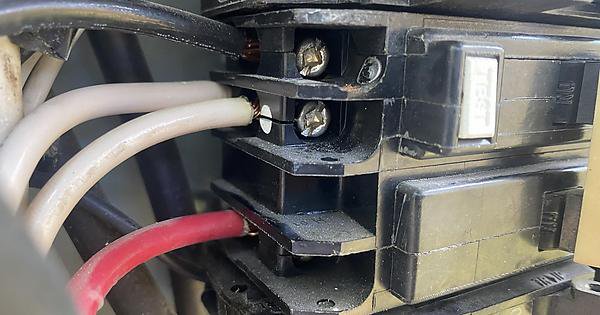
Selecting the proper wire size is essential for any electrical installation in order to guarantee the circuit’s safe and effective operation. It’s crucial to choose a wire gauge that can carry the current without overheating when using a 60 Amp breaker. This article will walk you through the process of choosing the right wire size for a 60 Amp breaker while taking the National Electrical Code’s (NEC) specifications and other criteria into account. Let started with 60 amp wire size
Understanding Wire Size and Ampacity
Let’s develop a clear knowledge of wire size and ampacity before getting into the details. The diameter of the wire is referred to as its “wire size,” and is commonly measured in American Wire Gauge (AWG). Each wire size is given a specific number by the AWG system, with smaller numbers denoting thicker wires.
The highest current that a wire may safely carry without exceeding its temperature rating is represented by ampacity, on the other hand. It is affected by things including the kind of insulation, the wire substance, and the atmosphere.
It’s crucial to match the right wire size with the right breaker size to avoid overheating, electrical issues, and potential fire risks.
National Electrical Code (NEC) Guidelines
Comprehensive rules for electrical installations in the US are provided by the NEC. It sets specified specifications for wire size in order to guarantee electrical safety. The NEC requires the use of wire diameters for a 60 Amp breaker that can handle the appropriate current without endangering safety. Read also 50 amp sub panel
.
Wire Gauge Options for 60 Amp Breaker
There are a number of wire gauge alternatives for a 60 Amp breaker, but the three that are most frequently used are 6 AWG, 4 AWG, and 2 AWG. Let’s look at each of these choices to see if a 60 Amp circuit is appropriate for them:
6 AWG Wire
In some circumstances, a 60 Amp wire breaker can be wired using a 6 AWG. It is frequently used for installations with minimal voltage drop requirements or shorter wire lines since it can carry up to 65 Amps of continuous current. To make sure it satisfies the demands of the particular project, it is crucial to consult the NEC and do voltage drop calculations.
4 AWG Wire
Compared to 6 AWG, 4 AWG wire is a more reliable alternative. It can take up to 85 Amps of continuous current and has a greater ampacity. Longer wire lines or systems requiring a modest voltage drop might use this wire gauge.
2 AWG Wire
The thickest of the three possibilities mentioned here is the 2 AWG wire. With a continuous current handling capacity of up to 115 Amps, it delivers the maximum ampacity. Longer wire lines or installations where there is a considerable risk of voltage loss are advised to use this wire gauge.
You may choose the best solution depending on the unique needs of your electrical project by comparing these wire gauges.
Factors to Consider When Choosing Wire Size
When choosing the right wire size for a 60 Amp breaker, there are extra elements to take into account in addition to the NEC rules and wire gauge possibilities.
Length of Wire Run
Calculating voltage drop requires careful consideration of the length of the wire run. The voltage drop caused by longer cable lengths is often larger, which can make electrical equipment operate less effectively. The distance between the breaker panel and the load must be taken into account when choosing the wire size so that the voltage loss is compensated for within allowable bounds.
Voltage Drop
When current runs across a wire, the voltage drops, which is referred to as voltage drop. A large voltage drop can cause equipment performance to suffer, lights to fade, and even delicate electronics to become harmed. You may reduce voltage drop and assure the optimum electrical performance by choosing an adequate wire size.
Type of Load
Different electrical loads demand different amounts of current. For instance, while starting up, motors and heating components frequently use larger currents. It’s essential to take into account the kind of load that is connected to the circuit and choose a wire size that is capable of safely carrying both the continuous and peak currents.
Common Mistakes to Avoid.
Undersized Wire
Using a wire that is too small puts you at far greater risk for fires, electrical problems, and overheating. Always follow NEC regulations and select a wire size that complies with the breaker’s ampacity specifications.
Overloading the Circuit
Connecting loads that draw a lot of current above the wire’s capability for transporting current might result in overheating and possible wire breakage. To avoid overloading the circuit, accurate load calculations and consideration of the wire’s ampacity are crucial.
