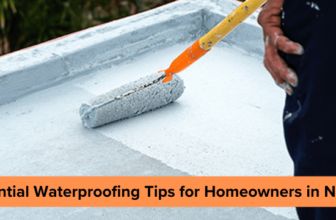
Water damage is one of the biggest threats to homes in Nepal, especially due to the country’s varied climate, including heavy monsoons and high humidity. Waterproofing work is essential to protect homes from leaks, dampness, and structural deterioration. Proper waterproofing not only ensures the longevity of a building but also prevents health issues caused by mold and mildew.
As a homeowner, understanding the right waterproofing materials, waterproofing chemicals, and waterproofing products can help safeguard your property. This guide covers essential waterproofing tips to help you maintain a dry, secure, and durable home.
Why Waterproofing is Important for Homeowners in Nepal
- Prevents Structural Damage: Water infiltration weakens concrete, causing cracks and corrosion of steel reinforcements.
- Reduces Mold and Mildew Growth: Excess moisture leads to mold, which can trigger respiratory issues and allergies.
- Protects Interiors and Finishes: Waterproofing helps prevent damage to paint, furniture, and wooden fixtures.
- Increases Property Value: A well-protected home with effective waterproofing work has a higher resale value.
- Saves on Repair Costs: Addressing waterproofing early reduces the need for expensive repairs in the future.
Key Waterproofing Areas in a Home
1. Roof Waterproofing
The roof is the first line of defense against rain and moisture. A leaky roof can cause extensive damage to ceilings and walls.
Tips for Effective Roof Waterproofing:
- Use high-quality waterproofing membranes to create a protective barrier.
- Apply waterproofing chemicals for roof to seal cracks and joints.
- Install a proper drainage system to prevent water accumulation.
- Regularly inspect and clean gutters to avoid blockages.
2. Wall Waterproofing
Exterior and interior walls are prone to moisture absorption, which can cause peeling paint, cracks, and damp patches.
How to Waterproof Walls Effectively:
- Use waterproofing paint with elastomeric properties for extra protection.
- Apply waterproofing cement coatings to prevent water seepage.
- Seal wall cracks with waterproofing compounds to stop leaks.
- Ensure proper ventilation to reduce indoor humidity.
3. Basement Waterproofing
Basements are highly susceptible to moisture buildup, leading to mold growth and weakened foundations.
Ways to Keep Basements Dry:
- Apply waterproofing sheets and membranes to floors and walls.
- Use bituminous waterproofing compounds for enhanced protection.
- Install a sump pump to remove accumulated water.
- Ensure proper grading around the home to direct water away from the foundation.
4. Bathroom and Kitchen Waterproofing
Bathrooms and kitchens experience frequent water exposure, making them vulnerable to leaks and dampness.
Waterproofing Solutions for Wet Areas:
- Apply waterproofing chemicals before laying tiles.
- Use silicone-based waterproofing agents to seal gaps around sinks, bathtubs, and toilets.
- Check for plumbing leaks and repair them promptly.
5. Terrace and Balcony Waterproofing
Open areas like terraces and balconies are exposed to rain, making them prone to water damage.
How to Protect Terraces and Balconies:
- Use polyurethane waterproofing membranes for flexible protection.
- Apply waterproofing paint that resists water penetration.
- Ensure proper slope and drainage to prevent water pooling.
Choosing the Right Waterproofing Materials
Homeowners in Nepal should select waterproofing materials based on climate, budget, and specific waterproofing needs.
1. Waterproofing Membranes
- Provide a strong barrier against moisture.
- Used for roofs, terraces, and basements.
2. Waterproofing Sheets
- Pre-formed waterproofing layers that enhance durability.
- Ideal for underground structures and roofing.
3. Waterproofing Cement
- Enhances concrete’s resistance to water absorption.
- Suitable for foundations and water tanks.
4. Waterproofing Paint
- Prevents moisture infiltration in walls.
- Used for both interiors and exteriors.
5. Waterproofing Compounds
- Added to concrete mixes to improve waterproofing properties.
- Used in basements and structural elements.
Common Waterproofing Mistakes to Avoid
- Ignoring Small Leaks: Even minor leaks can cause significant damage over time.
- Using Low-Quality Waterproofing Products: Cheap materials may not provide long-term protection.
- Improper Application: Waterproofing must be applied correctly by professionals for effective results.
- Neglecting Drainage Systems: Poor drainage can lead to water buildup and leaks.
- Skipping Regular Inspections: Regular maintenance helps detect issues before they escalate.
How to Maintain Waterproofing Over Time
- Conduct routine inspections, especially before monsoon season.
- Reapply waterproofing chemicals or sealants as needed.
- Keep gutters, drains, and downspouts clean.
- Fix plumbing leaks immediately.
Conclusion
Waterproofing is an essential investment for homeowners in Nepal to protect their homes from water damage, structural deterioration, and mold growth. By using waterproofing materials like waterproofing membranes, waterproofing paint, and waterproofing chemicals, homeowners can enhance the longevity and safety of their properties.
Implementing the right waterproofing work in key areas such as the roof, walls, basement, and bathrooms ensures long-term durability. Regular maintenance and choosing high-quality waterproofing products will keep your home dry, secure, and free from water intrusion.