

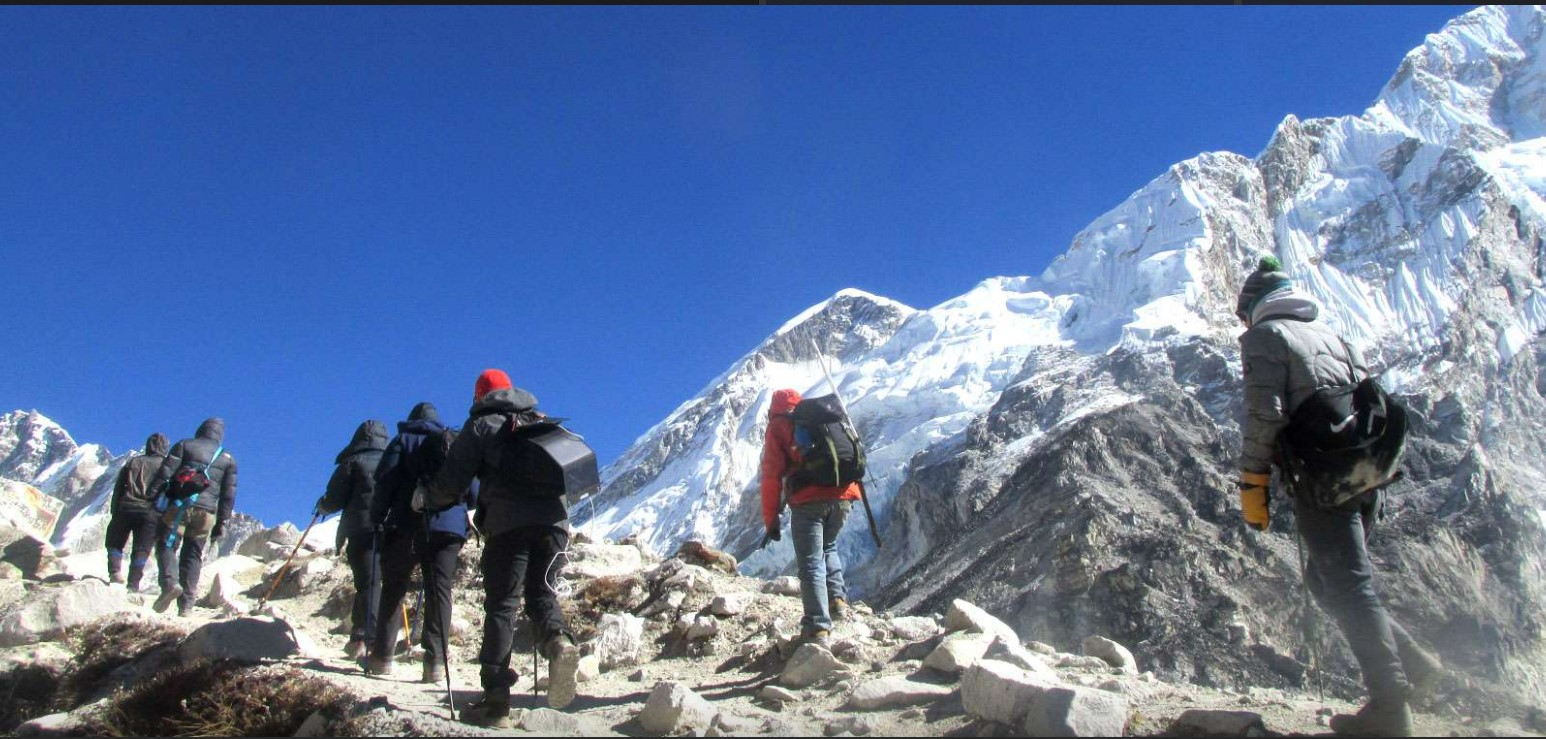
The Everest Base Camp trek is a dream adventure for many. Spanning approximately 14 days, it takes trekkers through some of the most breathtaking landscapes on Earth, all while providing a taste of rich Sherpa culture and breathtaking views of the world’s highest peaks. If you’re a beginner considering this trek, it’s essential to be well-prepared. This guide will cover everything you need to know about the Everest Base Camp trek, ensuring you have a safe and enjoyable experience.
Understanding the Everest Base Camp Trek
The Everest Base Camp trek typically lasts 14 days, allowing trekkers to acclimatize properly and enjoy the stunning scenery along the way. The trek takes you to an altitude of 5,364 meters (17,598 feet), right at the foot of Mount Everest. Along the way, you’ll experience lush valleys, dense forests, and iconic villages, making this trek a truly unforgettable experience.
Highlights of the Trek
- Breathtaking Scenery: The trek provides stunning views of not only Mount Everest but also neighboring peaks like Lhotse and Nuptse.
- Rich Cultural Experience: You’ll walk through traditional Sherpa villages, visit ancient monasteries, and have the opportunity to learn about the local culture and customs.
- Diverse Flora and Fauna: The region is home to unique wildlife and stunning landscapes, making it a paradise for nature lovers.
Preparing for the Trek
Preparation is key to a successful Everest Base Camp trek. Here are some crucial steps to take before you start your journey.
1. Physical Conditioning
Even as a beginner, preparing physically is essential. The trek involves long days of walking, often in challenging terrain and at high altitudes. Here’s how to prepare:
- Start Training Early: Begin a fitness regimen at least two to three months before your trek. Focus on cardiovascular fitness through activities like running, cycling, or swimming.
- Hiking Practice: Incorporate hikes into your training. Aim for longer hikes with a weighted backpack to mimic trek conditions.
- Strength Training: Focus on building leg strength and core stability through exercises like squats, lunges, and deadlifts.
2. Understanding Altitude Acclimatization
Acclimatization is vital to prevent altitude sickness. As you ascend, your body needs time to adjust to the decreasing oxygen levels. Here are some tips:
- Gradual Ascent: The 14-day trek allows for a gradual ascent, which is crucial for acclimatization. Avoid ascending too quickly.
- Hydration: Drink plenty of water throughout the trek to help your body acclimatize better.
Gear and Packing List
Choosing the right gear is essential for a safe and comfortable trek. Here’s a comprehensive packing list:
Clothing
- Base Layers: Moisture-wicking thermal tops and bottoms.
- Insulation Layer: Fleece jackets or down jackets for warmth.
- Outer Layer: Waterproof and windproof jackets and pants.
- Trekking Pants: Lightweight and quick-drying pants.
- Hiking Socks: Several pairs of moisture-wicking and cushioned socks.
- Hiking Boots: Sturdy, well-fitted boots with good ankle support.
Accessories
- Backpack: A comfortable backpack (40-60 liters) with a rain cover.
- Sleeping Bag: Rated for cold weather (at least -15°C or 5°F).
- Trekking Poles: Helpful for stability and reducing strain on knees.
- Headlamp: For nighttime visibility.
- Sunglasses: UV protection for your eyes against high-altitude sun exposure.
- Hat and Buff: For sun protection and warmth.
Other Essentials
- First Aid Kit: Include altitude sickness medication, pain relievers, and blister treatment.
- Water Purification Tablets: To ensure safe drinking water.
- Snacks: Energy bars and dried fruits for quick energy boosts.
- Camera: To capture the stunning scenery.
Nutrition and Hydration
Proper nutrition and hydration are crucial during the trek. Here’s how to stay nourished and hydrated:
1. Balanced Diet
Prior to your trek, focus on a balanced diet rich in carbohydrates, proteins, and healthy fats to fuel your training and prepare your body for the demands of the trek.
2. Hydration During the Trek
Drink plenty of water throughout the trek. Aim for at least 3-4 liters daily. Dehydration can increase the risk of altitude sickness, so be mindful of your hydration levels.
Cost of the Everest Base Camp Trek
Budgeting for your Everest Base Camp trek is essential. Costs can vary based on various factors:
- Trekking Permit: You’ll need a Sagarmatha National Park permit and a TIMS card, costing around $40-$50.
- Guided Tours: If you choose to join a guided tour, expect to pay between $1,200 and $2,000 for a 14-day trek, depending on the package and inclusions.
- Accommodation and Food: Budget for around $30-$50 per day for food and accommodation in tea houses.
Sample Cost Breakdown
| Item | Estimated Cost |
| Trekking Permit | $40-$50 |
| Guide/Porter | $500-$800 |
| Accommodation (14 days) | $420-$700 |
| Meals (14 days) | $420-$700 |
| Miscellaneous | $200-$300 |
| Total | $1,800-$3,000 |
Internal Linking: Helicopter Return Option
For trekkers looking for a unique experience, consider the Everest Base Camp Trek with Helicopter Return. This option allows you to experience the stunning views from the air while saving time on your return journey. It’s an exciting way to conclude your trek and take in the breathtaking landscapes of the Himalayas from above.
Mental Preparation
Trekking to Everest Base Camp is as much a mental challenge as it is a physical one. Here’s how to prepare mentally:
1. Research and Set Realistic Expectations
Read about the trek, including the challenges you may face, such as altitude sickness and variable weather conditions. Setting realistic expectations will help you manage your mindset throughout the journey.
2. Stay Positive and Motivated
Focus on the rewards of your trek, like the incredible views and personal accomplishment. Visualize yourself at Everest Base Camp, soaking in the breathtaking scenery and experiencing the thrill of reaching your goal.
Safety Tips for Beginners
While the Everest Base Camp trek is achievable for beginners, it’s important to prioritize safety. Here are some tips:
- Listen to Your Body: If you experience symptoms of altitude sickness (headache, nausea, dizziness), descend immediately and seek help.
- Follow Your Guide: If you’re trekking with a guide, trust their expertise and follow their advice.
- Take It Slow: Don’t rush your ascent. Enjoy the journey and take time to soak in the surroundings.
Conclusion
The Everest Base Camp trek is a once-in-a-lifetime adventure that offers a unique opportunity to experience the breathtaking beauty of the Himalayas and the rich culture of the Sherpa people. As a beginner, proper preparation, both physically and mentally, is crucial for a successful and enjoyable trek.
If you’re ready to take on this incredible journey, consider joining Boundless Adventure, where they offer tailored trekking packages to suit your needs. Their expert guides ensure that your trek is safe and memorable. For more information on trekking options and to start planning your adventure, visit Boundless Adventure today!
This guide serves as your comprehensive resource for preparing for the Everest Base Camp trek. With the right preparation and mindset, you’ll be well-equipped to tackle this remarkable journey and create unforgettable memories along the way. Happy trekking!
Recommended Read: https://pressreleasepedia.com/the-ultimate-guide-to-preparing-for-the-everest-base-camp-trek/

