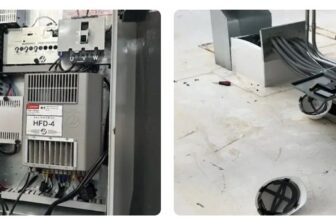
A hot tub is the ultimate backyard luxury, offering relaxation, stress relief, and even health benefits. But before you can soak in its warm waters, a proper hot tub electrical installation Dearborn MI is critical. Incorrect installation can be dangerous, lead to malfunction, and even violate local building codes.
Interestingly, electrical installations for hot tubs can share similarities with projects like solar panel installation and network installation, especially in terms of safety, planning, and integrating multiple systems into your home’s infrastructure. This step-by-step guide will walk you through the process, tips, and considerations to ensure a safe and efficient setup.
Why Proper Hot Tub Electrical Installation Matters
You might wonder: can’t I just plug it into a standard outlet?
Key Reasons for Professional Electrical Installation:
• Safety First: High-voltage currents require proper grounding and GFCI protection.
• Performance: Proper wiring ensures the hot tub operates efficiently without tripping breakers.
• Compliance: Meets local building and electrical codes.
• Long-Term Reliability: Reduces risks of costly repairs or damage.
Pro Tip: Like solar panel installation or network installation, planning and adherence to electrical standards are critical for long-term functionality.
Step 1: Assess Your Home’s Electrical System
Before installing a hot tub, evaluate your home’s current electrical capacity:
• Check Service Panel: Ensure your panel can handle additional amperage. Most hot tubs require 50–60 amps at 220–240 volts.
• Plan Circuit: Dedicated circuits are essential for safety and performance.
• Consider Other Systems: If you have a solar panel installation, coordinate with your electrician to prevent overloads.
A licensed electrician can assess your system and advise on upgrades if necessary.
Step 2: Determine Location and Power Source
Choosing the right location is more than aesthetic—it’s a safety issue.
• Flat, Stable Surface: Prevent uneven weight distribution.
• Proximity to Electrical Panel: Shorter distances reduce voltage drop.
• Weather Protection: Use proper outdoor-rated wiring.
• Integration with Other Systems: Coordinate with your network installation if you plan to use Wi-Fi controls or monitoring.
Step 3: Install Dedicated Circuit and Breaker
Your hot tub must have its own dedicated circuit for safety and compliance.
Steps Include:
• Turn Off Main Power: Ensure safety before any work.
• Install Double-Pole Circuit Breaker: Rated appropriately for your hot tub.
• Run Conduit and Wiring: Use outdoor-rated cable with proper gauge.
• Install GFCI Protection: Ground-fault circuit interrupters prevent dangerous shocks.
Tip: Label the circuit clearly in your panel to avoid confusion with other appliances. remodeling electrician Dearborn MI
Step 4: Connect Hot Tub Wiring
Now, connect the hot tub to the dedicated circuit:
• Follow Manufacturer Guidelines: Each model may have specific requirements.
• Proper Grounding: Connect grounding wire to prevent electrical hazards.
• Bonding: Ensure all metal parts are electrically bonded.
• Secure Connections: Tighten lugs and double-check polarity.
Pro Tip: Electrical connections here are similar in precision to solar panel installation, where proper wiring and grounding are critical for safety and efficiency.
Step 5: Test Your Hot Tub
Before filling the hot tub, testing the electrical system is essential:
• Power On Circuit Breaker: Verify voltage and amperage.
• Check GFCI: Test trip mechanism to ensure protection.
• Run Hot Tub Functions: Pumps, heaters, and lights should operate correctly.
• Monitor for Issues: Look for tripped breakers, flickering lights, or unusual noises.
Step 6: Maintain Safety and Integration
Once installed, maintain your hot tub’s electrical system for long-term safety:
• Regular Inspections: Check wires, breakers, and GFCI functionality.
• Avoid DIY Modifications: High-voltage components should only be handled by a licensed professional.
• Coordinate with Other Systems: If you have network installation for remote monitoring or solar panel installation for energy efficiency, integrate them safely.
Bonus Tips for a Seamless Hot Tub Experience
• Plan Cable Routing Early: Avoid future landscaping or remodeling conflicts.
• Weatherproof Components: Use proper conduit and outdoor-rated boxes.
• Professional Consultation: Hiring a licensed electrician ensures compliance and safety.
• Integrate Smart Features: Connect with your network installation for app-based controls and monitoring.
Conclusion
A properly installed hot tub is the gateway to ultimate relaxation, health benefits, and backyard luxury. From assessing your electrical system to installing a dedicated circuit and integrating modern features, hot tub electrical installation requires careful planning, precision, and adherence to safety standards.
Many steps mirror the attention to detail needed in solar panel installation and network installation Dearborn MI, where wiring, grounding, and professional oversight ensure long-term functionality and compliance. By investing in professional installation, homeowners can enjoy their hot tub safely while optimizing energy use and integrating smart technologies.
Ultimately, a well-executed electrical installation isn’t just about powering a hot tub—it’s about creating a safe, enjoyable, and efficient home experience that stands the test of time.