When it comes to keeping electrical systems safe and efficient, industrial circuit breakers play a critical role. Unlike residential circuit breakers, which protect home wiring from overloads, industrial circuit breakers handle much higher currents and more complex systems. Choosing the right breakers, understanding how they work, and knowing when to replace them can prevent costly downtime and protect both equipment and personnel. In this article, we’ll explore the world of industrial circuit breakers, compare them with residential circuit breakers, and provide practical tips to make informed decisions.
Understanding Industrial Circuit Breakers
Industrial circuit breakers are designed to protect large-scale electrical systems from overcurrent, short circuits, and equipment damage. They are a fundamental part of electrical distribution in factories, manufacturing plants, and large commercial buildings. While residential circuit breakers often handle currents up to 100-200 amps, industrial circuit breakers are rated for thousands of amps and must operate reliably under heavy load conditions.
These breakers are engineered to respond quickly to electrical faults, ensuring that machinery and control systems remain safe. Without proper breakers, electrical faults can cause fires, equipment damage, or even system-wide blackouts. Understanding the specifications, ratings, and types of industrial circuit breakers is essential for facility managers, electricians, and anyone responsible for maintaining large electrical systems.
Differences Between Industrial and Residential Circuit Breakers
The distinction between industrial circuit breakers and residential circuit breakers is not just about size. Industrial breakers are built for endurance, often featuring advanced thermal and magnetic trip mechanisms, whereas residential breakers typically rely on simpler thermal trips. Industrial breakers can handle higher fault currents, repeated cycling, and complex load scenarios.
For example, a factory running multiple heavy motors will demand breakers that can handle sudden inrush currents without tripping unnecessarily. Residential circuit breakers, on the other hand, are designed for predictable household loads like lighting, appliances, and HVAC systems. Understanding these differences helps you select the correct breaker for your application, whether for safety, compliance, or operational efficiency.
Types of Industrial Circuit Breakers
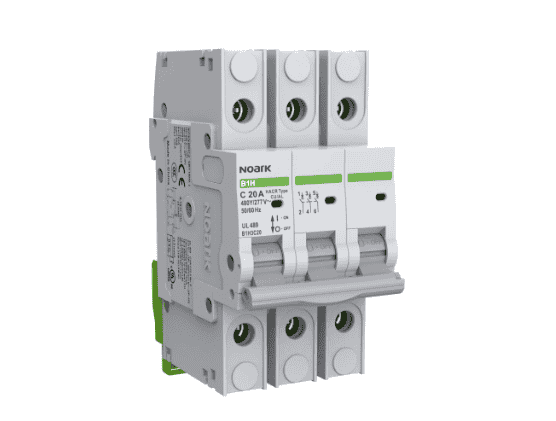
Industrial circuit breakers come in several types, each suited for specific applications. Molded case circuit breakers are common in medium-voltage systems, while air circuit breakers and vacuum circuit breakers are used for higher voltage scenarios. Each type has advantages depending on the installation, load requirements, and fault protection needed.
Molded case breakers are versatile and widely used because they combine thermal and magnetic protection. Air circuit breakers are often found in large industrial panels and switchgear, offering reliable protection for high-voltage systems. Vacuum circuit breakers are compact and require minimal maintenance, making them ideal for certain industrial applications.
Tips for Selecting the Right Industrial Circuit Breakers
Choosing the correct industrial circuit breaker can be challenging, but these tips help simplify the process:
-
Assess the load requirements carefully to ensure the breaker can handle peak currents without nuisance tripping.
-
Check the voltage rating to match your system, considering both steady-state and fault conditions.
-
Evaluate the environmental conditions, including temperature, humidity, and potential exposure to dust or chemicals.
-
Consider maintenance needs and ease of replacement to minimize downtime.
By following these tips, you can ensure that your industrial circuit breakers provide reliable protection without overcomplicating system design or operation.
Benefits of Using Proper Industrial Circuit Breakers
-
Enhanced Safety: Prevents equipment damage and reduces the risk of electrical fires.
-
Operational Reliability: Maintains system stability even under heavy loads or fault conditions.
-
Cost Efficiency: Reduces repair costs and extends the life of electrical equipment.
-
Compliance: Helps meet safety regulations and industry standards.
Common Mistakes to Avoid
One common mistake is underestimating the required breaker size, which can lead to nuisance tripping or equipment damage. Another is neglecting maintenance; industrial circuit breakers require regular inspection, testing, and cleaning to function correctly. Relying solely on residential circuit breakers in industrial settings is also dangerous and can result in catastrophic failures.
Maintaining Industrial Circuit Breakers
Proper maintenance is critical for long-term performance. Periodic inspections, testing, and cleaning of contacts and mechanical parts help prevent malfunctions. Keeping detailed records of breaker performance and replacements ensures that potential issues are identified before they become serious problems. Unlike residential circuit breakers, which may last for years without attention, industrial breakers require proactive care due to the high demands placed on them.
How to Integrate Industrial Circuit Breakers into Electrical Systems
Integrating industrial circuit breakers into a facility’s electrical system requires careful planning. Placement in distribution panels, coordination with other protective devices, and proper labeling are essential steps. Breaker coordination ensures that in the event of a fault, only the affected section is disconnected, minimizing disruption to other equipment. Engineers often use time-current characteristic curves to ensure that breakers operate in harmony with other protective devices.
The Future of Industrial Circuit Protection
The industrial electrical sector is evolving with the introduction of smart breakers and advanced monitoring systems. Modern industrial circuit breakers can provide real-time data on load, temperature, and potential faults. This data allows facility managers to implement predictive maintenance strategies, reducing unexpected downtime and improving safety.
As industries become more automated and interconnected, the need for reliable and intelligent protection systems continues to grow. Integrating industrial circuit breakers with monitoring and control systems ensures safer, more efficient operations.
Conclusion
Understanding and choosing the right industrial circuit breakers is essential for protecting complex electrical systems and ensuring operational efficiency. Unlike residential circuit breakers, industrial breakers must handle higher loads, repeated cycling, and more demanding fault conditions. By selecting the correct type, maintaining the equipment, and integrating it properly into your electrical system, you can safeguard your facility, reduce downtime, and ensure compliance with safety standards. Investing time in proper selection and maintenance pays off in long-term reliability and peace of mind.
FAQs
Q1: What is the main difference between industrial and residential circuit breakers?
Industrial circuit breakers handle higher currents, repeated cycling, and complex fault conditions, while residential breakers are designed for simpler household loads.
Q2: How often should industrial circuit breakers be maintained?
Regular inspections, testing, and cleaning are recommended, typically every 6 to 12 months depending on usage and environment.
Q3: Can residential breakers be used in industrial applications?
No, residential breakers are not designed to handle the high currents and demanding conditions of industrial systems.
Q4: What are the benefits of using smart industrial circuit breakers?
They provide real-time monitoring, enable predictive maintenance, and improve safety and operational efficiency.