ICO Creation: A Complete Guide to Launching Your Token Sale
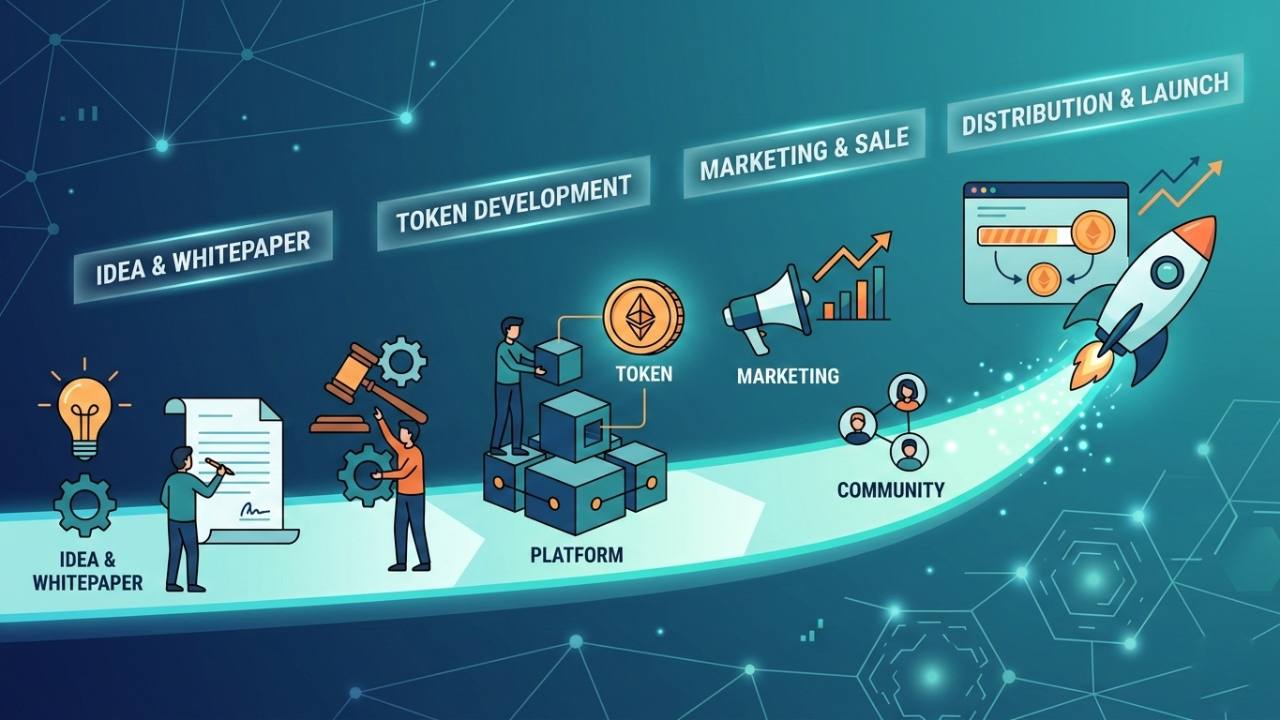
Raising capital has evolved significantly with the rise of blockchain technology, and Initial Coin Offerings (ICOs) have emerged as one of the most notable innovations in this space. ICO Creation refers to the process of designing, developing, and launching a token sale to raise funds for a blockchain-based project. Unlike traditional fundraising methods, ICOs allow startups to connect directly with a global pool of investors without relying heavily on intermediaries such as banks or venture capital firms.
The concept gained traction during the early growth phase of cryptocurrencies, when projects began issuing tokens as a way to finance development and build communities around their ideas. While the initial wave of ICOs brought both success stories and challenges, the model continues to evolve with better frameworks, regulatory awareness, and more structured approaches.
ICO Creation is not simply about issuing a token and attracting investment. It involves careful planning, technical development, legal structuring, and strategic execution. Each stage plays a crucial role in determining the credibility and long-term success of the project. This guide walks through the essential components of launching a token sale, offering a clear and practical view of how the process works.
What is ICO Creation
ICO Creation is the structured process of launching a blockchain-based fundraising campaign by issuing digital tokens to investors. These tokens can represent utility within a platform, access to services, or in some cases, a form of digital asset with value tied to the project’s ecosystem.
At its core, ICO Creation connects project developers with potential supporters by offering tokens in exchange for cryptocurrencies such as Bitcoin or Ethereum. Investors participate with the expectation that the project will grow in value, increasing the utility or demand for the issued tokens.
Unlike traditional equity-based funding, ICOs do not usually grant ownership in a company. Instead, they provide access or usage rights within a platform. This distinction makes ICO Creation unique, but also introduces complexities in terms of regulation and investor protection.
The process requires a clear vision, a well-defined use case, and a transparent approach. Without these elements, it becomes difficult to build trust and attract meaningful participation.
Key Components of a Successful ICO
Launching a token sale requires more than technical expertise. A successful ICO Creation strategy combines multiple elements that work together to establish credibility and functionality.
A strong project concept forms the foundation. The idea should solve a real problem or introduce a meaningful improvement within a specific industry. Without a clear purpose, even the most advanced technology may fail to gain traction.
A well-prepared whitepaper is essential. This document outlines the project’s vision, technical architecture, tokenomics, and roadmap. It serves as the primary source of information for potential investors and stakeholders.
Tokenomics plays a critical role in ICO Creation. It defines how tokens are distributed, their total supply, pricing strategy, and utility within the ecosystem. A balanced token model helps maintain stability and encourages long-term engagement.
The development of secure smart contracts ensures that the token sale operates smoothly. These contracts automate the distribution of tokens, manage funds, and enforce predefined rules without manual intervention.
Community engagement is equally important. Building a strong and active community helps create awareness and trust. It also provides valuable feedback that can shape the project’s direction.
Step-by-Step Process of ICO Creation
The process of launching a token sale can be broken down into several key stages, each contributing to the overall success of the initiative.
The first step involves idea validation and market research. This stage focuses on identifying the target audience, analyzing competitors, and refining the project concept. A well-researched idea has a higher chance of gaining acceptance.
The next stage is legal and regulatory planning. Different regions have varying rules regarding token sales, and compliance is essential to avoid potential risks. This step often involves consulting legal experts to structure the ICO appropriately.
Token development follows, where the digital asset is created using blockchain platforms such as Ethereum. Developers define the token standard, features, and functionalities during this phase.
Smart contract development and auditing come next. Security is a major concern in ICO Creation, and thorough testing ensures that vulnerabilities are minimized. A single flaw can lead to significant financial losses.
Once the technical aspects are in place, attention shifts to marketing and community building. This stage includes content creation, social media engagement, and outreach efforts to attract potential investors.
The pre-sale phase allows early participants to invest, often at a discounted rate. This helps generate initial momentum and funding.
The main ICO launch is the final stage, where tokens are made available to the broader public. During this period, clear communication and transparency are crucial to maintaining trust.
Legal and Regulatory Considerations
Legal compliance is one of the most critical aspects of ICO Creation. Regulations surrounding token sales vary across countries, making it necessary to adopt a structured approach.
Projects must determine whether their tokens fall under utility or security categories. This classification influences the legal requirements and obligations involved. Security tokens often require stricter compliance, including registration and investor verification processes.
Anti-money laundering and know-your-customer procedures are commonly implemented to ensure that participants meet regulatory standards. These measures help reduce the risk of fraudulent activities.
Clear documentation is essential. Terms and conditions, privacy policies, and disclaimers should be prepared to protect both the project team and investors.
Navigating these requirements can be complex and time-intensive, but a well-planned legal framework adds credibility and reduces long-term risks.
Marketing Strategies for ICO Launch
Marketing plays a significant role in the success of a token sale. Even a well-developed project may struggle without proper visibility.
Content creation is a key component. Informative articles, blogs, and updates help educate potential investors about the project. Clear communication builds confidence and encourages participation.
Social media platforms provide a direct channel to engage with the audience. Regular updates, discussions, and responses to queries help maintain an active presence.
Community platforms such as Telegram and Discord are commonly used to build and manage user communities. These platforms allow real-time interaction and foster a sense of involvement.
Partnerships and collaborations can also enhance credibility. Working with established organizations or influencers in the blockchain space helps expand reach.
Consistency is important. A structured marketing plan ensures that the message remains clear and aligned with the project’s goals.
Common Challenges in ICO Creation
Despite its advantages, ICO Creation comes with several challenges that require careful attention.
Regulatory uncertainty remains a major concern. Changes in laws or interpretations can impact the viability of a token sale.
Building trust is another challenge. The early phase of ICOs saw several fraudulent projects, which has made investors more cautious. Transparency and accountability are essential to address this issue.
Technical risks cannot be ignored. Smart contract vulnerabilities or platform issues can lead to disruptions or losses.
Market competition is intense. With numerous projects launching regularly, standing out requires a unique value proposition and strong execution.
Managing community expectations is also important. Clear communication helps prevent misunderstandings and maintains a positive relationship with participants.
Best Practices for a Successful ICO
Adopting best practices can significantly improve the chances of a successful token sale.
Focus on transparency at every stage. Providing clear and accurate information builds trust and credibility.
Invest in security measures. Regular audits and testing help ensure that the platform remains reliable.
Maintain realistic goals. Overpromising can lead to disappointment and damage the project’s reputation.
Engage with the community consistently. Listening to feedback and addressing concerns creates a supportive environment.
Plan for the long term. ICO Creation should not end with fundraising. Continuous development and updates are necessary to sustain growth.
Future of ICO Creation
The landscape of token sales continues to evolve as the blockchain industry matures. ICO Creation is becoming more structured, with increased emphasis on compliance, transparency, and investor protection.
New models such as Security Token Offerings and Initial Exchange Offerings have emerged, offering alternative approaches to fundraising. These models aim to address some of the limitations associated with traditional ICOs.
Institutional interest is also growing, bringing more legitimacy to the space. As regulations become clearer, more organizations are likely to explore token-based fundraising methods.
Technological advancements will further enhance the efficiency and security of ICOs. Improved tools and platforms are making it easier to launch and manage token sales.
Conclusion
ICO Creation represents a significant shift in how projects raise capital in the digital age. By leveraging blockchain technology, it offers a more accessible and global approach to fundraising.
However, launching a successful ICO requires careful planning, technical expertise, and a strong commitment to transparency. Each stage, from concept development to post-launch management, plays a vital role in shaping the outcome.
As the industry continues to evolve, a well-structured and informed approach to ICO Creation can help projects navigate challenges and build a solid foundation for growth.