Introduction
Camping is one of the most refreshing ways to connect with nature, but it requires careful planning and the right equipment. Among the essentials for any camping trip is a reliable source of fuel, often provided by gas canisters. In this comprehensive guide, we’ll delve into everything you need to know about camping gas canisters, from types and sizes to safety tips and best practices.
Understanding Camping Gas Canisters
Gas canisters are portable containers filled with compressed gas, typically propane or butane, used for cooking, heating, and lighting during outdoor activities like camping. They come in various sizes and shapes, catering to different needs and preferences of campers.
Types of Camping Gas Canisters
- Propane Canisters: Propane is a popular choice for camping due to its efficiency in colder temperatures and higher energy output. Propane canisters are readily available and come in different sizes, ranging from small, disposable ones to larger, refillable tanks.
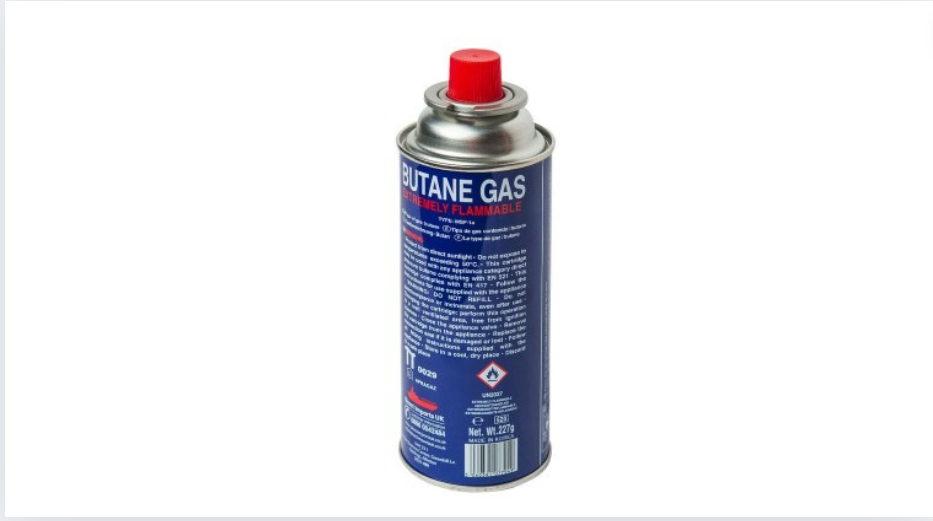
- Butane Canisters: Butane is another common fuel option for camping gas canisters. It is lightweight and works well in moderate temperatures. Butane canisters are often used for portable stoves and lanterns, offering convenience for campers on the go.
Choosing the Right Size
When selecting a gas canister for your camping trip, consider factors such as the duration of your stay, the number of people in your group, and the type of activities you’ll be engaging in. For shorter trips or solo camping, smaller canisters may suffice, while longer trips with larger groups may require bigger canisters or multiple smaller ones.
Safety Tips
- Ventilation: Always use gas canisters in well-ventilated areas to prevent the buildup of harmful gases.
- Storage: Store gas canisters upright in a cool, dry place away from direct sunlight and sources of heat.
- Transportation: Secure gas canisters properly during transportation to avoid leaks or accidents.
- Handling: Handle gas canisters with care and avoid dropping or mishandling them, as this could cause damage or rupture.
- Inspection: Before use, inspect the canister for any signs of damage or leakage. Do not use a damaged canister.
Best Practices
- Follow Manufacturer Instructions: Read and follow the instructions provided by the manufacturer for the safe and proper use of gas canisters and camping equipment.
- Test Equipment Before Departure: Test your camping stove or lantern with the gas canister before departing for your trip to ensure everything is in working order.
- Bring Extra Canisters: It’s always a good idea to carry extra gas canisters, especially for longer trips or unexpected situations.
- Dispose of Properly: Dispose of empty gas canisters responsibly by following local regulations and recycling guidelines.
Conclusion
Camping gas canisters are indispensable companions for outdoor enthusiasts, providing a convenient and reliable source of fuel for cooking, heating, and lighting during camping trips. By understanding the different types, sizes, and safety precautions associated with gas canisters, campers can ensure a safe and enjoyable outdoor experience. Remember to always prioritize safety and proper handling when using gas canisters in the great outdoors. Happy camping!