Moisture is one of the most common causes of damage to sensitive materials, electronic components, laboratory samples, and precision instruments. Even small amounts of humidity can lead to corrosion, contamination, oxidation, and product degradation. If you work with moisture-sensitive items, protecting them from environmental exposure is essential. One of the most effective solutions is a nitrogen desiccator cabinet.
A nitrogen desiccator cabinet creates a controlled storage environment that minimizes humidity and protects valuable materials from moisture-related damage. Understanding how this system works can help you improve product quality, extend equipment life, and reduce costly losses.
Understanding a Nitrogen Desiccator Cabinet
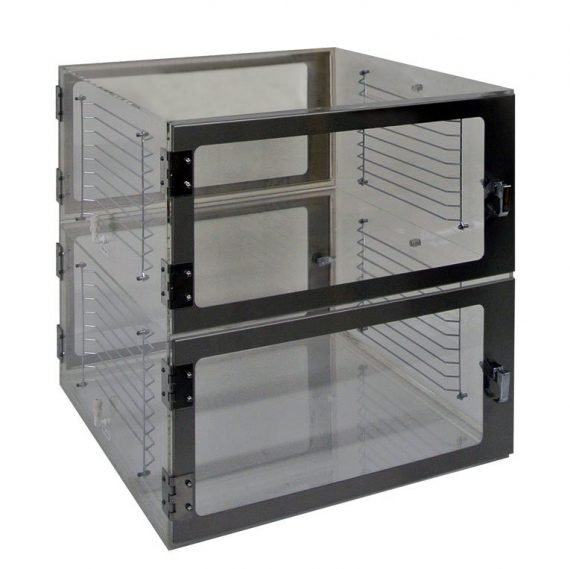
A nitrogen desiccator cabinet is a sealed storage enclosure designed to maintain extremely low humidity levels. Instead of relying solely on traditional desiccants, the cabinet uses a continuous or controlled flow of nitrogen gas to displace moisture-laden air.
The inert nitrogen atmosphere prevents moisture from accumulating inside the cabinet while also reducing oxidation risks. This makes nitrogen desiccator cabinets ideal for storing sensitive electronics, semiconductor components, optical equipment, pharmaceuticals, laboratory samples, and other moisture-sensitive materials.
Many organizations choose a high-performance nitrogen desiccator cabinet for ultra-low humidity storage of sensitive laboratory and industrial materials because it provides reliable environmental control and long-term protection.
How Moisture Causes Damage
Before understanding the benefits of nitrogen storage, it helps to recognize the problems moisture creates.
Corrosion
Humidity accelerates rust and corrosion on metal surfaces. Electronic contacts, connectors, and precision instruments are especially vulnerable to moisture-induced deterioration.
Oxidation
Exposure to oxygen and moisture can cause oxidation that affects product performance, appearance, and longevity.
Contamination
Moist environments encourage microbial growth and contamination, which can compromise laboratory samples and sensitive materials.
Material Degradation
Moisture absorption can alter physical and chemical properties, leading to product failure or reduced effectiveness.
By controlling humidity levels, you can significantly reduce these risks.
How a Nitrogen Desiccator Cabinet Prevents Moisture Damage
Removes Humid Air
The primary function of a nitrogen desiccator cabinet is to purge moisture-containing air from the enclosure.
As nitrogen enters the cabinet, it displaces ambient air and reduces the amount of water vapor present. Because nitrogen is dry and inert, it creates an environment that is unfavorable for moisture accumulation.
This process helps maintain consistently low humidity levels that protect sensitive materials.
Maintains Ultra-Low Relative Humidity
Many moisture-sensitive applications require humidity levels far below standard room conditions.
Nitrogen desiccator cabinets can maintain extremely low relative humidity, often reaching levels that traditional storage methods cannot achieve consistently.
Stable humidity control minimizes moisture absorption and helps preserve the integrity of stored products.
Prevents Condensation
Condensation forms when warm, humid air contacts cooler surfaces.
Inside a nitrogen-purged cabinet, moisture levels remain low enough to prevent condensation from developing. This protection is especially valuable for electronic assemblies, optical components, and precision instruments.
Without condensation, the risk of corrosion and electrical failures is greatly reduced.
Reduces Oxidation
Nitrogen is an inert gas that does not readily react with stored materials.
By replacing oxygen-rich air with nitrogen, the cabinet limits oxidation reactions that can damage metals, chemicals, and sensitive components.
This additional layer of protection helps maintain product quality over extended storage periods.
Creates a Controlled Environment
Environmental consistency is critical for long-term storage.
A nitrogen desiccator cabinet provides stable humidity conditions regardless of fluctuations in room temperature or seasonal humidity changes. This controlled environment ensures reliable protection throughout the year.
Industries That Benefit from Nitrogen Desiccator Cabinets
Electronics Manufacturing
Electronic components are highly susceptible to moisture damage. Nitrogen storage helps prevent corrosion, oxidation, and moisture absorption that can affect performance.
Semiconductor Production
Semiconductor devices require strict environmental controls during storage and handling. Ultra-low humidity environments help preserve component integrity.
Pharmaceutical Laboratories
Many pharmaceutical materials are sensitive to moisture exposure. Nitrogen cabinets help maintain product stability and shelf life.
Research Facilities
Research laboratories often store valuable samples and experimental materials that require controlled environmental conditions.
Aerospace and Defense
Precision components used in aerospace and defense applications must remain free from moisture contamination to ensure reliability.
Best Practices for Maximizing Moisture Protection
To get the most value from your nitrogen desiccator cabinet, follow these practical recommendations:
- Regularly monitor humidity levels.
- Ensure cabinet doors remain properly sealed.
- Minimize door openings whenever possible.
- Verify nitrogen supply flow rates according to manufacturer recommendations.
- Organize stored materials to maintain efficient airflow.
- Perform routine inspections and maintenance.
These simple practices help maintain optimal storage conditions and maximize protection.
Choosing the Right Nitrogen Desiccator Cabinet
Not all storage requirements are the same. When selecting a cabinet, consider:
- Required humidity range
- Cabinet size and storage capacity
- Material compatibility
- Nitrogen consumption efficiency
- Monitoring and control features
- Future storage needs
Working with an experienced manufacturer can help ensure you select a system that matches your specific application.
For reliable contamination control, moisture protection, and advanced storage solutions, many laboratories and manufacturers trust CleaTech LLC for high-quality environmental control equipment designed to meet demanding industry requirements.
Conclusion
Moisture damage can lead to product failure, contamination, corrosion, and costly replacements. A nitrogen desiccator cabinet offers an effective solution by creating a dry, controlled environment that protects sensitive materials from humidity-related risks.
By displacing moist air with dry nitrogen, maintaining ultra-low humidity levels, preventing condensation, and reducing oxidation, these cabinets provide long-term protection for valuable assets. Whether you work in electronics, pharmaceuticals, research, or advanced manufacturing, investing in proper storage can significantly improve product quality and reliability.
If you are looking for expert guidance on selecting the right storage solution, contact us today for professional assistance with nitrogen desiccator cabinet applications and requirements.
Frequently Asked Questions
What is a nitrogen desiccator cabinet used for?
A nitrogen desiccator cabinet is used to store moisture-sensitive materials in a low-humidity environment by purging the enclosure with dry nitrogen gas.
How does nitrogen reduce moisture damage?
Nitrogen displaces humid air inside the cabinet, lowering relative humidity and preventing moisture accumulation on stored items.
Can nitrogen desiccator cabinets prevent corrosion?
Yes. By reducing humidity and limiting oxygen exposure, nitrogen desiccator cabinets help minimize corrosion and oxidation.
What materials benefit most from nitrogen storage?
Electronics, semiconductors, laboratory samples, pharmaceuticals, optical components, and precision instruments commonly benefit from nitrogen storage.
How low can humidity levels get inside a nitrogen desiccator cabinet?
Humidity levels vary by design, but many nitrogen desiccator cabinets can maintain extremely low relative humidity suitable for highly sensitive applications.
Is a nitrogen desiccator cabinet better than using desiccants alone?
For many critical applications, nitrogen cabinets provide more consistent humidity control and additional oxidation protection compared to desiccants alone.