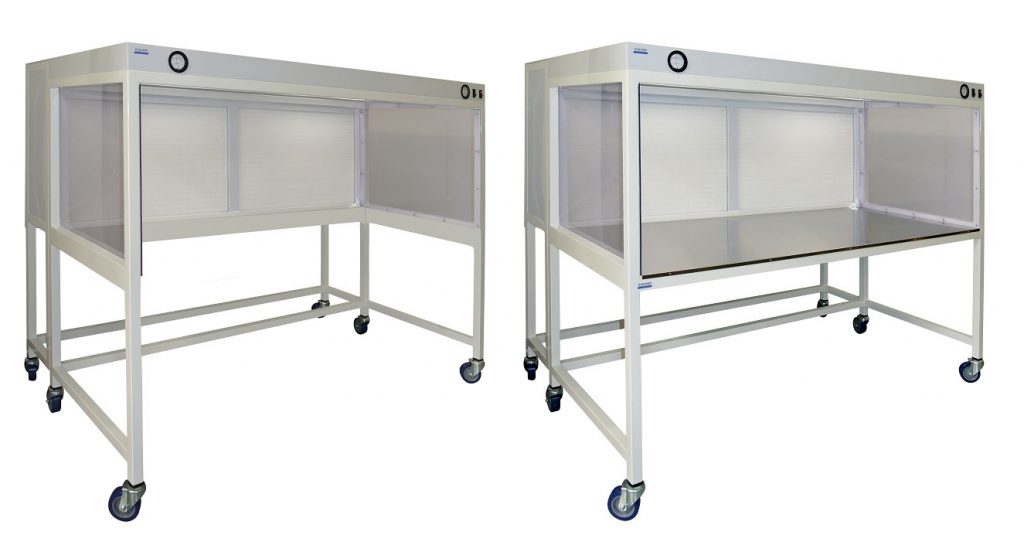
Maintaining strict particle control is essential when you work in environments where contamination can affect product quality, research accuracy, or manufacturing performance. A well-optimized airflow system helps you create a cleaner workspace by reducing airborne particles and maintaining consistent air quality. When you use the right practices for operating and maintaining your equipment, you can improve cleanliness, protect sensitive materials, and achieve reliable results. A Horizontal Laminar Flow Hood is designed to provide a controlled airflow environment that supports precision applications across laboratories, electronics, pharmaceutical processes, and other contamination-sensitive industries.
Understand How Airflow Impacts Particle Control
The first step to optimizing particle control is understanding how your laminar flow system works. A horizontal laminar flow hood pushes filtered air horizontally across the workspace, creating a uniform stream of clean air. This continuous airflow helps move contaminants away from your critical working area.
To maximize performance, you should ensure that airflow remains uninterrupted. Avoid placing large objects directly in front of the airflow path because they can create turbulence and allow particles to settle on sensitive materials. Proper arrangement of tools, samples, and equipment inside the hood improves airflow efficiency and maintains a cleaner workspace.
Choose the Right Filter System
The filtration system plays a major role in controlling airborne particles. High-efficiency filters, such as HEPA filters, remove microscopic contaminants from incoming air before it reaches your workspace.
You should regularly inspect filter performance and replace filters according to manufacturer recommendations. A clogged or aging filter can reduce airflow velocity and compromise particle control. Monitoring filter condition helps you maintain consistent cleanliness and prevents unexpected contamination issues.
For applications requiring controlled environments, investing in a reliable horizontal laminar flow hood for particle-free laboratory applications can help you achieve better contamination management and workflow efficiency.
Maintain Proper Cleaning Practices
Even with advanced filtration, poor cleaning habits can introduce unwanted particles. You should establish a routine cleaning schedule to keep your workspace free from contaminants.
Before starting work, clean the interior surfaces with appropriate disinfectants or cleaning agents recommended for your application. Avoid using materials that release fibers or particles, such as low-quality wipes. Always remove unnecessary items from the workspace because clutter can collect dust and interfere with airflow.
Regular cleaning of the hood surface, work area, and surrounding environment improves overall particle control and extends equipment performance.
Control User Movement and Handling Practices
Your actions inside the laminar flow hood directly affect cleanliness. Excessive movement can disturb airflow patterns and increase particle generation. You should work slowly and carefully while keeping materials organized.
Follow these practices for better contamination control:
- Keep your hands and tools positioned within the clean airflow zone.
- Avoid unnecessary reaching across critical materials.
- Minimize rapid movements near the workspace.
- Use clean gloves and protective equipment when required.
- Limit the number of items placed inside the hood.
By following disciplined handling techniques, you can maintain stable airflow and reduce the risk of introducing particles.
Perform Regular Equipment Inspections
Routine inspections help identify issues before they impact your operations. You should check airflow performance, filter condition, lighting, and electrical components regularly.
A professional evaluation can confirm that your equipment continues to meet required cleanliness standards. Testing airflow velocity and particle levels helps verify that your hood is operating effectively.
When you select advanced solutions from CleaTech LLC, you gain access to contamination control equipment designed for demanding laboratory and industrial environments. Reliable systems, proper maintenance, and correct operating procedures help you achieve long-term particle control performance.
Optimize Workspace Placement
The location of your horizontal laminar flow hood can influence its effectiveness. Avoid installing the unit near doors, high-traffic areas, ventilation outlets, or sources of dust and vibration. External air disturbances can affect airflow stability and introduce contaminants.
Choose a location with minimal environmental interference. Maintaining adequate clearance around the hood allows proper air circulation and makes maintenance easier.
A carefully planned workspace layout supports better contamination prevention and improves operational efficiency.
Monitor Environmental Conditions
Particle control depends on more than just the hood itself. Temperature, humidity, and surrounding air quality can influence contamination risks.
You should monitor environmental conditions based on your application requirements. Excess humidity may affect sensitive materials, while excessive dryness can increase static-related particle attraction.
Combining environmental monitoring with proper laminar flow hood operation creates a more reliable controlled workspace.
Schedule Preventive Maintenance
Preventive maintenance is one of the most effective ways to protect your investment. Instead of waiting for performance problems, create a maintenance plan that includes inspections, filter replacements, cleaning, and airflow testing.
A proactive approach reduces downtime, improves reliability, and ensures your system continues providing consistent particle control.
If you need assistance selecting, maintaining, or upgrading your contamination control equipment, you can Contact us today for expert guidance and solutions designed around your requirements.
Conclusion
Optimizing a horizontal laminar flow hood for particle control requires proper equipment selection, regular maintenance, effective cleaning procedures, and careful operating practices. By controlling airflow conditions, reducing unnecessary contamination sources, and following preventive maintenance strategies, you can create a more reliable clean workspace.
Whether you support research, manufacturing, or precision assembly processes, maintaining strong contamination control practices helps protect your materials and improve overall productivity. Choosing a high-quality horizontal laminar flow hood system for controlled contamination-free environments ensures that your workspace remains efficient, dependable, and ready for critical applications.
Frequently Asked Questions
How does a horizontal laminar flow hood control particles?
A horizontal laminar flow hood uses filtered air moving in one direction across the workspace to reduce airborne contamination and maintain a cleaner operating environment.
How often should I clean a horizontal laminar flow hood?
You should clean the workspace regularly, typically before and after use, depending on your application requirements and contamination sensitivity.
What affects particle control performance in a laminar flow hood?
Airflow disruption, dirty filters, poor cleaning practices, and incorrect workspace placement can reduce particle control effectiveness.
Why is filter maintenance important for laminar flow hoods?
Filter maintenance ensures efficient removal of airborne particles and helps maintain consistent clean airflow performance.
Where can I find a reliable horizontal laminar flow hood solution?
You can explore advanced horizontal laminar flow hood for precision cleanroom and laboratory applications from CleaTech LLC for dependable contamination control solutions.