Mold spores can expand into larger colonies when they find favorable conditions. Mold thrives on food, moisture, and humidity, and it grows particularly well on cellulose-based materials like drywall. Mold on sheetrock can be potentially harmful, affecting both your health and the structural integrity of your property. Mold can spread rapidly if not dealt with promptly. This article explores how mold grows on drywall, the dangers it poses, and how to mitigate the problem.
How Does Mold Grow on Sheetrock?
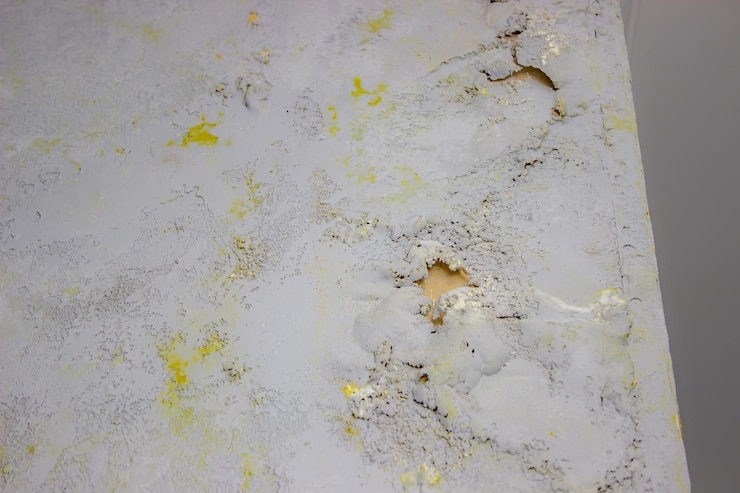
Mold can grow on various surfaces, especially those that are porous. Porous surfaces attract moisture, creating an ideal environment for mold. Mold can also develop on non-porous surfaces that have accumulated dirt and grime, which trap moisture. Drywall, being highly porous, is particularly susceptible to mold if there’s constant humidity and moisture in the air.
The wood particles in drywall provide food for mold and trap moisture, accelerating its growth. Water can move easily through drywall because of its porous nature, allowing mold to spread. Water leaks are a common cause of mold on drywall, and if not repaired quickly, they can make the mold problem difficult to manage.
Why Sheetrock Mold is Dangerous?
It Can Spread Easily: Mold can quickly spread on drywall, especially if it covers a large portion of your home. It grows and multiplies rapidly under favorable conditions. The spores can become airborne, spreading to your HVAC system, furniture, and crawlspaces. If not addressed promptly, the problem can worsen, leading to higher repair and mold remediation costs.
It Can Cause Allergic Reactions:
Mold can trigger allergic reactions when inhaled or when it comes into contact with your skin and eyes. The body treats airborne mold spores as foreign invaders and produces antibodies to fight them. This can lead to sneezing, a runny nose, watery eyes, and coughing. Common molds that cause allergies include Aspergillus, Alternaria, Penicillium, and Cladosporium.
It Can Damage Your Property:
While mold spores are not corrosive, they can cause significant damage to drywall. Mold can stain and rot drywall, necessitating replacement to completely eliminate the mold. Spores can become airborne and spread to other areas of your home, such as carpets and furniture, meaning you may need to replace more than just the drywall.
It Can Cause Mold-Related Illnesses:
Mold can lead to serious health issues, including asthma attacks, respiratory infections, and lung conditions. It can exacerbate existing asthma or trigger new attacks, making breathing difficult without an inhaler. Mold can also cause hypersensitivity pneumonitis, a condition where inhaled mold spores cause lung inflammation.
How to Get Rid of Mold on Drywall
Fix Any Leaks: The first step in eliminating mold on drywall is to repair any leaks that may have caused the problem.
DIY Mold Removal: You can attempt to remove mold yourself if the affected area is less than ten square feet. If mold is on top of the paint and covers a small area, it can be removed by scrubbing. However, if the mold has penetrated deeper into the drywall, removal becomes more difficult due to the porous nature of drywall. In such cases, professional intervention or replacing the affected drywall may be necessary.
Remove and Replace Drywall: For extensive mold growth, the best solution is to remove and replace the infested drywall. This not only eliminates the existing mold but also helps prevent future mold problems.
Bottom Line
Drywall mold is dangerous as it can cause serious health problems and damage your property. It is crucial to find and fix water leaks promptly to prevent mold growth. If your drywall is infested with mold, replacing it with new drywall is the best way to prevent recurrence. This approach saves money and time in the long run and ensures a healthy living environment.
Contact ROA Drywall for Mold Solutions
If you’re dealing with mold on your drywall in Austin Tx and near by areas, contact ROA Drywall for professional solutions. Our team specializes in mold removal and drywall repair or replacement to ensure your home is safe and healthy. Don’t let mold compromise your property—reach out to ROA Drywall today for expert assistance.