

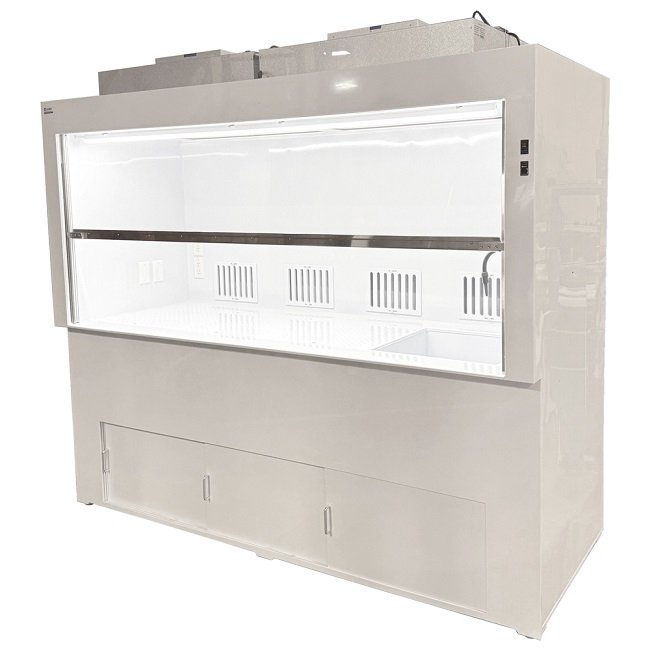
Semiconductor manufacturing demands precision, cleanliness, and chemical safety at every stage. Even the smallest contamination can damage wafers, reduce yield, and increase production costs. That is why you need specialized equipment designed to handle delicate cleaning, etching, and rinsing processes safely and efficiently. A high-performance wet bench for semiconductor wafer processing plays a critical role in maintaining cleanroom standards while supporting accurate chemical handling in semiconductor labs.
Wet benches are specifically designed workstations used for wet chemical applications in controlled environments. They allow you to safely perform processes involving acids, solvents, and corrosive chemicals without compromising operator safety or product quality. Whether you work in microelectronics research, wafer fabrication, or nanotechnology development, a wet bench helps create a reliable and contamination-free workspace.
Supports Safe Chemical Handling
Semiconductor laboratories frequently use hazardous chemicals such as hydrofluoric acid, sulfuric acid, and solvents during wafer cleaning and etching. Handling these chemicals in an uncontrolled setup increases the risk of spills, fumes, and operator exposure.
A wet bench gives you a secure environment with built-in ventilation and chemical-resistant materials. These systems are engineered to contain harmful vapors and direct them away from users through proper exhaust systems. This not only protects laboratory personnel but also helps you comply with cleanroom and workplace safety regulations.
Many wet benches are made using polypropylene or stainless steel, which resist corrosion from aggressive chemicals. This durability allows you to operate safely even during continuous exposure to harsh substances.
Minimizes Particle Contamination
Contamination control is one of the biggest challenges in semiconductor manufacturing. Dust particles, airborne contaminants, and chemical residues can ruin sensitive wafers and reduce overall production efficiency.
When you use a wet bench, you create a controlled environment specifically designed to reduce contamination risks. Wet benches often include smooth surfaces, integrated sinks, and proper drainage systems that make cleaning easier and prevent chemical buildup.
Some advanced systems also include laminar airflow features that help maintain clean airflow across the workspace. This controlled airflow reduces the chance of particles settling on wafers during processing.
By improving cleanliness, you can increase product reliability, maintain wafer integrity, and reduce costly defects.
Improves Process Consistency
Semiconductor fabrication requires repeatable and accurate processes. Variations in chemical exposure, rinsing, or handling can lead to inconsistent wafer performance.
A wet bench allows you to standardize critical wet processing tasks. Since the workstation is designed specifically for chemical operations, you can organize tools, chemical containers, and process steps more efficiently.
This organized setup helps technicians follow consistent workflows while reducing errors caused by improper handling or workspace clutter. Better process control leads to improved yield and more reliable semiconductor components.
Consistency also becomes more important when scaling research projects into larger manufacturing operations. Wet benches support repeatable laboratory procedures that align with industry standards.
Enhances Cleanroom Efficiency
Semiconductor labs operate under strict cleanroom conditions where airflow, cleanliness, and equipment placement matter significantly. Standard laboratory furniture may not meet cleanroom compatibility requirements.
Wet benches are designed to integrate seamlessly into cleanroom environments. Their chemical-resistant construction, smooth surfaces, and compact layouts support easy maintenance and efficient space utilization.
You can also customize many wet bench systems with storage cabinets, DI water systems, chemical drains, and exhaust configurations based on your operational needs. This flexibility helps optimize laboratory workflow while maintaining a clean and organized environment.
Efficient workspace design improves technician productivity and reduces downtime during semiconductor processing tasks.
Protects Sensitive Semiconductor Materials
Semiconductor wafers and electronic components are extremely delicate. Exposure to contaminants, static buildup, or improper rinsing can permanently damage them.
A wet bench provides a controlled workstation where you can safely rinse, clean, and process wafers without introducing unwanted contaminants. Many systems include specialized sinks, chemical baths, and rinse stations designed specifically for semiconductor applications.
By using equipment built for precision handling, you reduce the risk of wafer breakage, surface damage, or chemical cross-contamination.
This level of protection becomes especially important in advanced semiconductor research involving nanoscale structures and high-value materials.
Supports Multiple Semiconductor Applications
Wet benches are not limited to one specific process. You can use them for a wide range of semiconductor laboratory applications, including:
- Wafer cleaning
- Chemical etching
- Solvent processing
- Acid rinsing
- Photoresist stripping
- Surface preparation
- Microelectronics research
Their versatility makes them a valuable investment for universities, research facilities, and semiconductor manufacturing plants.
As your laboratory requirements evolve, you can often customize wet benches with additional accessories and process integrations to support changing applications.
Reduces Long-Term Maintenance Costs
Using improper workstations for chemical handling can lead to equipment damage, corrosion, and expensive repairs. Chemical spills may also damage nearby surfaces and ventilation systems.
Wet benches are built to withstand corrosive environments for long-term use. Their durable construction reduces maintenance requirements while extending operational lifespan.
Because these systems are specifically designed for wet chemical processes, they also simplify cleaning and routine maintenance tasks. This helps reduce downtime and improves laboratory efficiency over time.
Investing in the right wet bench setup can lower operational risks while supporting consistent semiconductor production quality.
Choosing the Right Wet Bench for Your Lab
Selecting the right wet bench depends on your laboratory processes, cleanroom classification, chemical usage, and workspace requirements. You should evaluate factors such as:
- Chemical compatibility
- Ventilation needs
- Exhaust systems
- Material construction
- Workspace size
- Storage options
- Drainage systems
- Cleanroom compliance
Working with an experienced manufacturer helps ensure you receive a system tailored to your semiconductor applications.
If you are looking for a reliable wet bench solution for semiconductor cleanroom environments, choosing a customizable and durable system can improve both safety and operational efficiency.
For expert guidance on selecting the right cleanroom equipment for your semiconductor lab, contact us today for custom wet bench solutions.
FAQs About Wet Bench Systems
What is a wet bench used for in semiconductor labs?
A wet bench is used for chemical processing tasks such as wafer cleaning, etching, rinsing, and solvent handling in semiconductor manufacturing and research laboratories.
Why are wet benches important for cleanrooms?
Wet benches help maintain contamination control by providing a dedicated chemical processing area designed for cleanroom compatibility and safe chemical handling.
What materials are commonly used in wet benches?
Most wet benches are made from polypropylene or stainless steel because these materials resist corrosion from harsh chemicals commonly used in semiconductor applications.
Can wet benches be customized?
Yes, many wet benches can be customized with exhaust systems, sinks, storage cabinets, DI water systems, and other features based on laboratory requirements.
How do wet benches improve laboratory safety?
Wet benches include ventilation and chemical-resistant construction that help contain harmful fumes, reduce spills, and protect technicians from hazardous chemical exposure.
Are wet benches only used in semiconductor labs?
No, wet benches are also used in biotechnology, pharmaceutical research, nanotechnology, electronics manufacturing, and other industries requiring safe wet chemical processing.


