

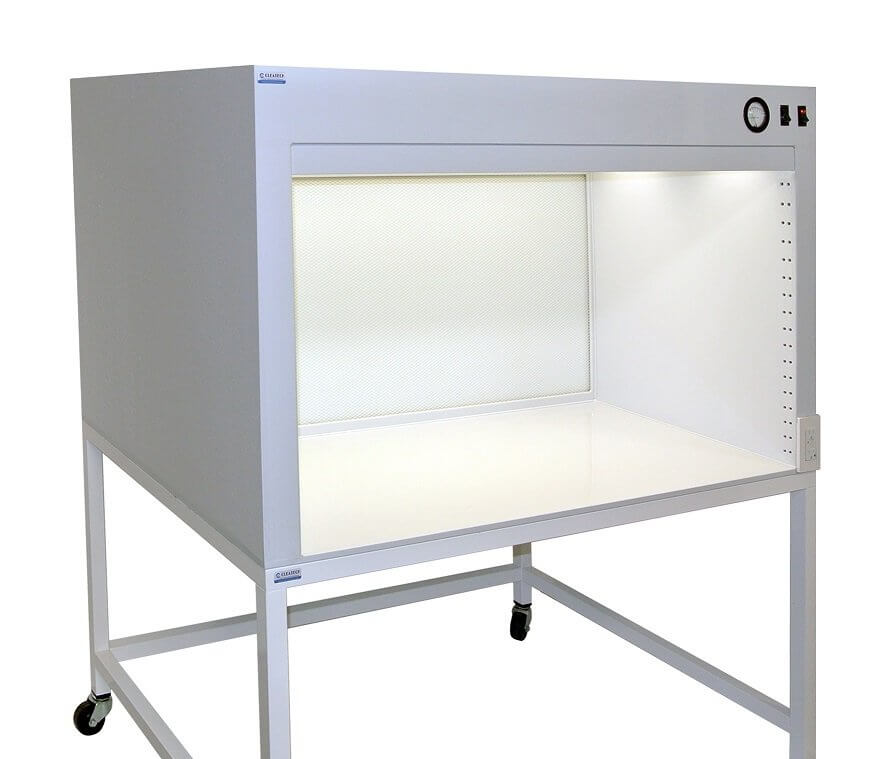
When you work with sensitive samples, even the smallest contamination can compromise your results. Whether you’re handling biological cultures, electronics, or pharmaceutical materials, maintaining a clean and controlled environment is essential. That’s where a horizontal flow hood becomes one of your most reliable tools. By understanding how it works and how you can use it effectively, you can significantly improve the protection of your samples and the accuracy of your work.
What Is a Horizontal Flow Hood?
A horizontal flow hood, also known as a laminar flow hood, is designed to create a sterile workspace by directing filtered air across your work surface. Unlike vertical flow systems, this setup pushes clean air horizontally from the back of the unit toward you. The air passes through a high-efficiency particulate air (HEPA) filter, removing contaminants such as dust, microbes, and airborne particles before reaching your samples.
This constant stream of clean air forms a protective barrier that prevents external contaminants from settling on your materials.
How It Protects Sensitive Samples
Continuous Laminar Airflow
You benefit from a smooth, uninterrupted airflow that moves in parallel layers. This laminar flow ensures that contaminants are consistently swept away from your work area. Instead of swirling around unpredictably, airborne particles are pushed out of the hood, reducing the risk of contamination.
HEPA Filtration Efficiency
The core of the system is its HEPA filter, which captures up to 99.97% of particles as small as 0.3 microns. When you place your samples inside the hood, they are immediately surrounded by ultra-clean air. This level of filtration is critical when working with sterile cultures, sensitive electronics, or precision components.
Positive Pressure Environment
A horizontal flow hood creates a positive pressure zone within the workspace. This means that air is constantly moving outward, preventing unfiltered air from entering. When you open the hood or move your hands inside, the clean air continues to push contaminants away rather than allowing them to settle on your samples.
Direct Airflow Over Samples
Unlike vertical systems, horizontal airflow moves directly across your work surface. This ensures that every item in front of the filter receives a steady stream of clean air. As long as you position your materials correctly, you can maintain a consistently sterile environment.
Best Practices to Maximize Protection
To get the most out of your hood, you need to use it correctly. Even the best equipment requires proper handling to deliver optimal results.
Position Your Samples Carefully
Always place your most sensitive materials closer to the HEPA filter. This ensures they receive the cleanest air first. Avoid placing objects behind other items, as this can disrupt airflow and create contamination zones.
Minimize Movement
Quick or excessive movements can disturb the airflow and introduce contaminants. Move your hands slowly and deliberately to maintain the integrity of the laminar stream.
Keep the Workspace Organized
Clutter can block airflow and create turbulence. Use only the tools you need and keep the workspace tidy. This allows air to flow smoothly across all surfaces.
Regular Maintenance
You should routinely check and replace filters according to manufacturer guidelines. A clogged or damaged filter reduces efficiency and compromises sample protection.
Applications Across Industries
A horizontal flow hood supports a wide range of applications where cleanliness is critical.
Life Sciences: Protect cell cultures, media preparation, and sterile processes
Pharmaceuticals: Maintain contamination-free drug formulation
Electronics Manufacturing: Prevent dust and static contamination on sensitive components
Medical Device Assembly: Ensure sterile conditions during production
No matter your field, you can rely on consistent airflow and filtration to safeguard your work.
Choosing the Right Equipment
When selecting equipment, focus on build quality, airflow consistency, and filter performance. You should also consider the size of your workspace and the type of materials you handle.
For high-performance solutions, explore precision lab environments: Horizontal Flow Hood for sterile sample protection and contamination control. It’s designed to meet the strict demands of modern laboratories and cleanroom applications.
Working with a trusted manufacturer also matters. You can learn more about reliable cleanroom equipment and expertise at CleaTech LLC for advanced cleanroom solutions and laminar flow systems.
Common Mistakes to Avoid
Even with proper equipment, small mistakes can reduce effectiveness.
- Blocking airflow with large objects
- Working too close to the edge of the hood
- Ignoring routine maintenance
- Using the hood in a contaminated room environment
By avoiding these issues, you maintain a consistently clean workspace and protect your samples more effectively.
Why It Matters for Your Work
When you protect your samples properly, you reduce errors, improve reproducibility, and maintain compliance with industry standards. A horizontal flow hood doesn’t just support cleanliness—it supports the integrity of your entire workflow.
If you’re planning to upgrade or need guidance on selecting the right system, don’t hesitate to contact us today for expert guidance on cleanroom equipment and laminar flow solutions.
FAQs About Horizontal Flow Hoods
How does a horizontal flow hood differ from a vertical flow hood?
A horizontal flow hood pushes air directly across your work surface toward you, while a vertical hood directs air downward. Horizontal systems are ideal when you need consistent airflow across delicate samples.
Can a horizontal flow hood protect the user as well?
No, it primarily protects the sample, not the user. Air flows toward you, so it does not prevent exposure to hazardous substances.
What types of samples benefit most from this hood?
You can use it for cell cultures, sterile media, microelectronics, and any materials sensitive to airborne contamination.
How often should you replace HEPA filters?
Filter replacement depends on usage, but you should typically inspect them annually and replace them as recommended by the manufacturer.
Does room environment affect performance?
Yes, placing the hood in a clean, low-traffic area helps maintain optimal performance and reduces contamination risks.


